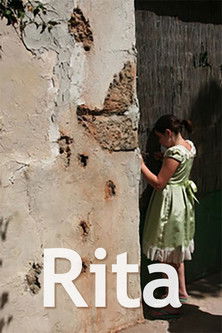
Rita
2009
No user ratings available yet
Representation score: 5.8 out of 10

Representation Score
Fair
2021
Director
Roberto Andò
Runtime
110 minutes
Average Rating
No ratings yetNew Showbiz Analysis
The Hidden Child is a character-driven drama that explores the tension between established social hierarchies and individual morality. By focusing on a breach of social norms, the film examines how authority figures react to systemic outsiders. The film successfully breaks down traditional power structures through the Professor's moral development. It uses the conflict between different socioeconomic levels to highlight human vulnerability and the instability of domestic environments. However, the film lacks specific representation of LGBTQ+ identities and disabilities. The narrative remains heavily focused on male characters, limiting its exploration of diverse social issues.
Category Breakdown
The film does not include explicit depictions of LGBTQ+ identities or dynamics that go beyond assuming everyone is straight. The story focuses on the relationship between the Professor and the child.
While the film centers on male characters, it challenges traditional masculine stereotypes. The Professor's vulnerability and protective instincts break away from the typical image of a tough, unshakable authority figure.
Set in a working-class Italian community, the film highlights conflicts arising from different socioeconomic statuses. The story focuses on individuals who are underrepresented and live on the fringes of society.
The narrative questions institutional stability and traditional family structures. It emphasizes individual ethics and situational morality over strict adherence to social or legal norms.
There are no visible or mentioned depictions of physical or neurodivergent disabilities in the story.
Present on Screen
Limited or Absent
Official Synopsis
Gabriele Santoro is a Professor of Pianoforte at the Music Conservatory San Pietro a Majella who lives in a working-class area of the city. One morning, while shaving his beard, the postman buzzes at the intercom to tell him he has a package. Gabriele opens the door and, before greeting him, runs to rinse his face. In that short space of time, a ten-year-old child slips into his apartment and hides away. “The maestro” – as he’s called in his neighbourhood – only notices the stowaway late at night. And when he sees him, he recognises the intruder as Ciro, a child who lives with his parents and siblings on the top floor of his building. When asked why he has fled his home, Ciro refuses to speak. Nevertheless, the maestro instinctively decides to hide him in his home, setting Ciro’s enemies a uniquely difficult challenge.
2009

2011
2015
2020
2023
2019
2022
2023
No reviews yet. Be the first to share your thoughts on this movie!
Use the rating form above to leave a star rating and optional review.