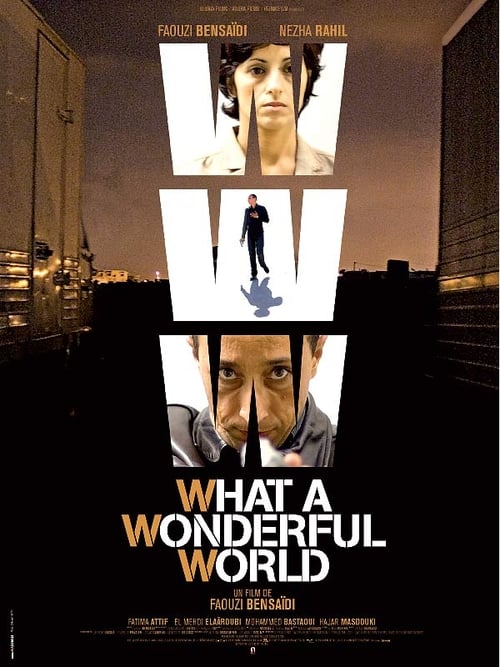
WWW: What a Wonderful World
2006
No user ratings available yet
Representation score: 6.1 out of 10
Representation Score
Fair
2008
Director
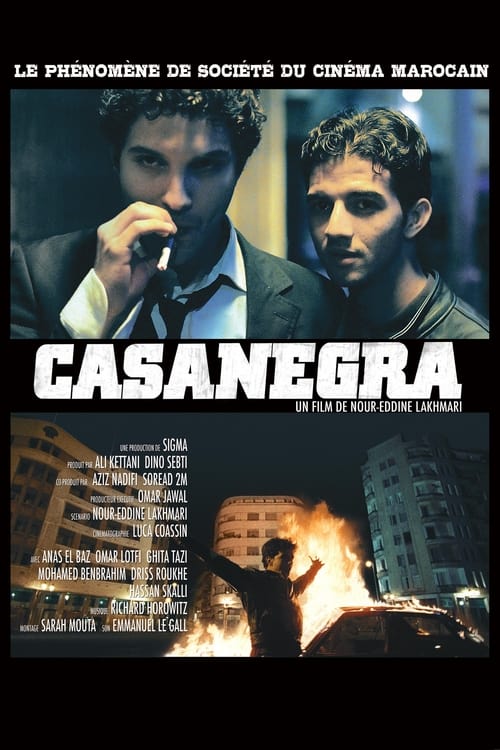
Nour-Eddine Lakhmari
Runtime
131 minutes
Average Rating
No ratings yetNew Showbiz Analysis
Casanegra stands out as a gritty, realistic deconstruction of Moroccan social structures. It avoids the sanitized, tourist-friendly narratives often associated with North African cinema, opting instead for a raw look at systemic disillusionment. The film's strength lies in its cultural authenticity and its willingness to challenge conservative social hierarchies. By focusing on the vices of Casablanca, it provides a complex view of survival within a failing urban ecosystem. However, the film remains heavily centered on male experiences. It lacks significant representation for LGBTQ+ identities and does not prioritize narratives that challenge gender hierarchies through female-driven stories.
Category Breakdown
The film focuses on male-centric experiences within a patriarchal urban setting. It does not include narratives or identities that challenge the assumption that everyone is straight or cisgender.
The story centers on male protagonists navigating high-pressure environments. While it challenges the idea of idealized masculinity through depictions of vice, it does not give much focus to women's roles or ability to act.
The film offers an authentic portrayal of Moroccan identity. It avoids Western-centric perspectives by featuring a local cast and focusing on the specific socioeconomic realities of Casablanca.
The story critiques traditional social and religious institutions by highlighting urban vices. It challenges performative morality through a gritty, postmodern lens.
There is no significant evidence regarding the portrayal of visible or invisible disabilities within the narrative.
Present on Screen
Limited or Absent
Official Synopsis
A Moroccan-Norwegian co-production about the dark side of Casablanca (Casanegra). In a country where good virtues are the norm in public, Casanegra shows the vices: domestic violence, alcohol abuse and drug abuse. Meet Karim and Adil and their struggle in the big city.
2006
2018
2020
2022

2024

2018
2016
2021
No reviews yet. Be the first to share your thoughts on this movie!
Use the rating form above to leave a star rating and optional review.