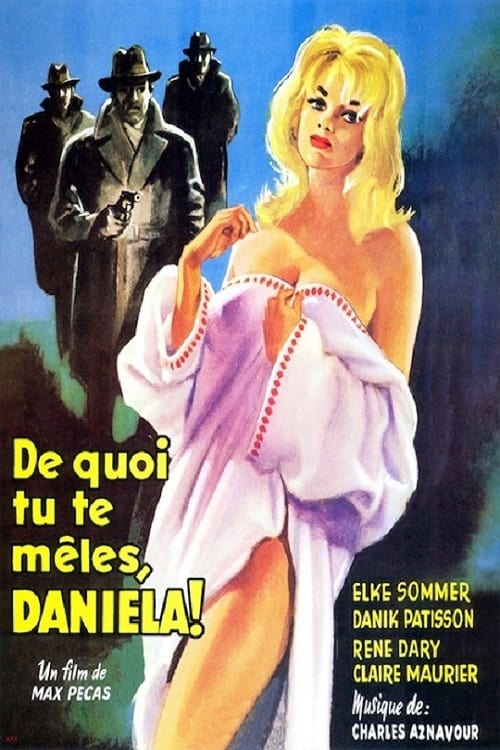
Daniella by Night
1961
No user ratings available yet
Representation score: 2.9 out of 10
Representation Score
Fair
1966
Director
Sergio Grieco, Alberto De Martino
Runtime
99 minutes
Average Rating
No ratings yetNew Showbiz Analysis
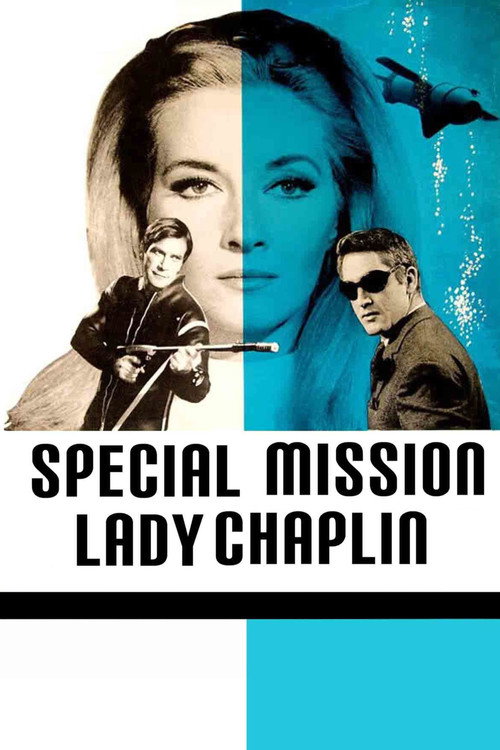
Special Mission Lady Chaplin is a mid-century Eurospy adventure that finds its strength in its gendered narrative. By centering a female fashion stylist in a high-stakes espionage plot, the film challenges the male-dominated archetypes of the 1960s action genre. However, the film remains firmly within the traditional frameworks of its era. It lacks multi-layered complexity, offering little in the way of racial diversity or queer representation. The narrative serves to uphold Western institutional interests rather than critique them. Ultimately, while the female lead provides a progressive spark, the film's reliance on standard Western clichés and a lack of diverse character types keeps it within a conventional genre mold.
Category Breakdown
The film does not include any explicit LGBTQ+ characters or non-straight relationships. Instead, it focuses on traditional romantic and professional tensions typical of 1960s genre cinema.
Lady Chaplin challenges the spy genre clichés by serving as a central protagonist with professional expertise. She plays a pivotal role in the espionage plot rather than being a passive observer.
The setting is international, featuring American and European interests in Paris. However, the cast lacks significant racial diversity, adhering to standard Western archetypes of the time.
The plot reinforces Western institutional frameworks through themes of state security and diplomacy. It follows a traditional hero-versus-adversary structure centered on protecting American technological assets.
There are no characters with visible or invisible disabilities. No such characters are used as central plot devices or portrayed with significant influence.
Present on Screen
Limited or Absent
Official Synopsis
Lady Chaplin is a beautiful woman, she is a fashion stylist and she owns an atelier in Paris. Zoltan is a rich American specialized in submarine researches. Dick Malloy is an American secret agent. What have the three in common? Perhaps a sunk American atomic submarine with sixteen missiles still on board? And why every other scene one, two, ten or more men are trying to kill Malloy in every conceivable way?
1961
1968
1960
1966
1963
1969
1966
2006
No reviews yet. Be the first to share your thoughts on this movie!
Use the rating form above to leave a star rating and optional review.