
Loving
2017
No user ratings available yet
Diversity score: 5.0 out of 10
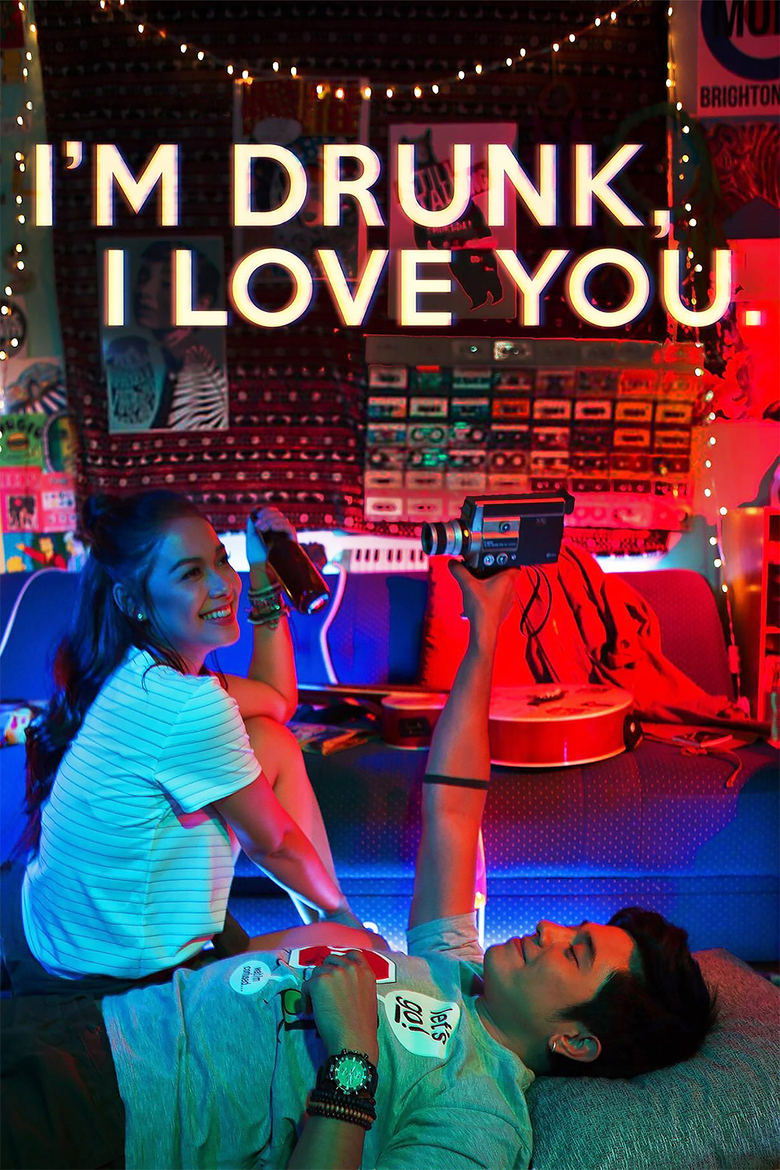
2017
Director
JP Habac
Runtime
110 minutes
Average Rating
No ratings yetSynopsis
Days before graduation, two college best friends go on one last road trip where they settle how they really feel for each other.
Overall Score
Fair
Category Breakdown
LGBTQ+ Representation
The film focuses strictly on heteronormative romantic dynamics. It lacks LGBTQ+ characters or narratives that critique traditional heteronormativity.
Gender Representation
The story prioritizes the female protagonist's agency and internal emotional landscape. It passes the Bechdel test by utilizing female-centric dialogue and friendship.
Racial & Ethnic Diversity
The production offers high cultural authenticity with a primarily Filipino cast. It provides a localized, non-Anglo-centric perspective set within Manila.
Religious & Cultural Diversity
The narrative leans toward secular realism, focusing on individual emotional truths. It avoids overt religious or political messaging in its storytelling.
Disability Representation
There are no prominent depictions of physical or neurodivergent disabilities. Characters navigate standard psychological stressors related to heartbreak and life transitions.
Strengths
Areas for Improvement
AI Analysis
I'm Drunk, I Love You succeeds as a culturally grounded coming-of-age story. By centering the narrative on a Filipino setting and a female protagonist's subjective experience, it avoids many Western-centric romantic tropes. However, the film remains within a traditional framework regarding identity. It lacks representation for LGBTQ+ individuals and does not engage with disability or neurodivergent perspectives, focusing instead on universal emotional struggles. Ultimately, the film's strength lies in its localized authenticity and its subversion of female passivity, even if it avoids broader social or political critiques.
2017

2018

2019
2020
2020
2015

2015

2019
2009

2018

2015

2014
No reviews yet. Be the first to share your thoughts on this movie!
Use the rating form above to leave a star rating and optional review.