Arlette
1997
No user ratings available yet
Representation score: 4.0 out of 10
Representation Score
Minimal
1991
RDirector
Jerry Rees
Runtime
116 minutes
Average Rating
No ratings yetNew Showbiz Analysis
The Marrying Man is a traditional period romance that sticks closely to established genre conventions. It focuses on a homogeneous social stratum, emphasizing a narrow view of 1880s New York life. The film lacks intentionality around representing multiple aspects of identity. It reinforces traditional character types rather than disrupting expectations related to gender, race, or social hierarchy. Ultimately, the narrative centers on standard romantic dynamics within white, upper-class social circles and straight-centered relationships.
Category Breakdown
The film follows a conventional storyline that assumes everyone is straight or cisgender. There are no non-cisgender identities or same-sex relationships shown.
The narrative relies on traditional romantic comedy clichés. While the female lead influences the male protagonist's growth, she often just catalyzes his development.
Set in the 1880s, the casting is mostly uniform, focusing on white, upper-class characters. The story prioritizes these social circles without incorporating diverse casts to challenge historical norms.
The plot is driven by capitalist ambitions and social climbing. It emphasizes individual romantic sincerity rather than critiquing Western institutions or class structures.
The film does not portray any visible or invisible disabilities. There are no neurodivergent or physically disabled characters integrated into the story.
Present on Screen
Limited or Absent
Official Synopsis
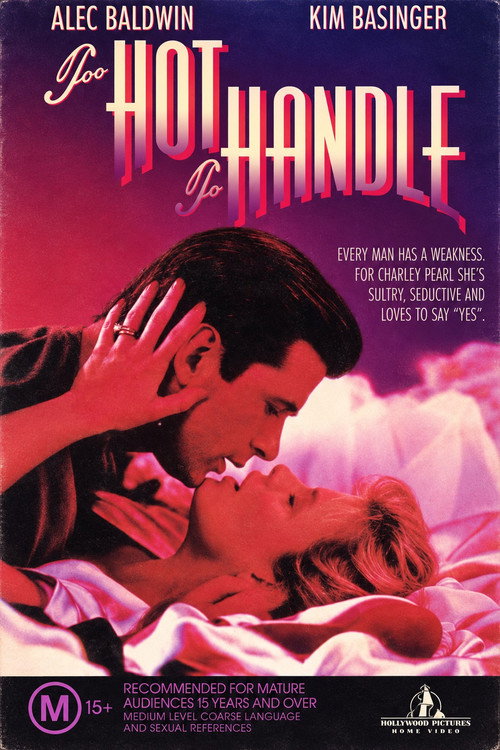
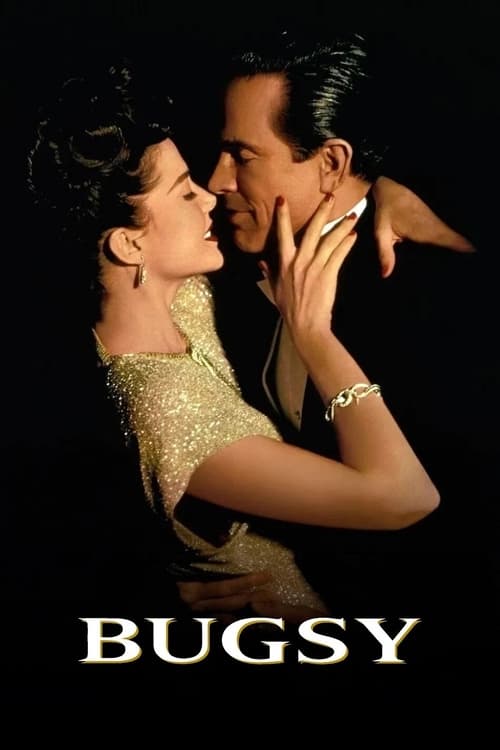
Charley Pearl, wealthy heir and gadabout, is slated to marry Adele, the daughter of a Hollywood tycoon. But, during a wild bachelor party in Las Vegas, Charley strikes up a flirtation with nightclub crooner Vicki Anderson that soon leads to her bedroom. When the couple are discovered by Vicki's beau, infamous gangster Bugsy Siegel, he makes a surprising pronouncement -- they'd better marry, or Charley is a dead man.
1997
1955

1985
1988
1975
1942

2003
1991
No reviews yet. Be the first to share your thoughts on this movie!
Use the rating form above to leave a star rating and optional review.