
Watch the Birdie
1950
No user ratings available yet
Representation score: 1.3 out of 10
Representation Score
Minimal
1931
NRDirector
Zion Myers, Jules White
Runtime
74 minutes
Average Rating
No ratings yetNew Showbiz Analysis
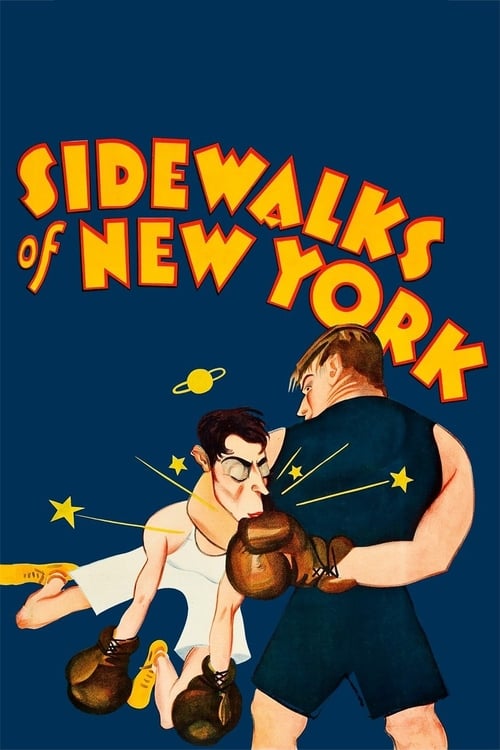
Sidewalks of New York is a conventional early sound-era comedy that upholds traditional social hierarchies. The narrative is driven by a male protagonist's quest for respectability and social reform. While the urban setting suggests a diverse backdrop, the characters lack independent ability to act. The film adheres to the period's typical gender roles and social structures. Ultimately, the work functions as a traditional morality tale rather than a critique of systemic issues or social norms.
Category Breakdown
The film does not include any characters with non-straight or non-cisgender identities. The plot centers around traditional romantic relationships between a male lead and a female character.
The story follows a traditional hierarchy where the male protagonist drives the action, while the female character mainly serves as an object of desire.
The urban setting implies a diverse population. However, there is no indication that non-white characters have substantial roles or depth.
The story promotes conventional social standards and order. It focuses on reforming a neighborhood to align with traditional community norms.
The film does not provide any information about the portrayal of physical or mental health conditions.
Present on Screen
Limited or Absent
Official Synopsis
A dim-witted slumlord tries to reform a gang of urban boys (and impress an attractive young woman) by transforming their rough neighborhood into a more decent place.
1950
1937
1925
1933
1945
1961
1933
1936
No reviews yet. Be the first to share your thoughts on this movie!
Use the rating form above to leave a star rating and optional review.