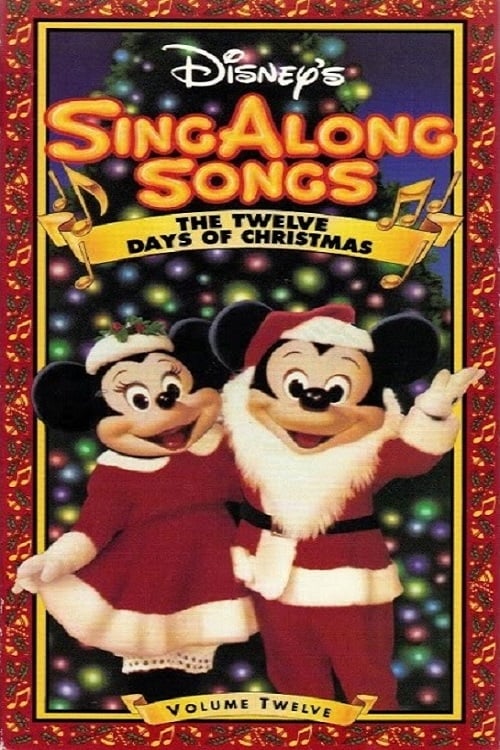
Disney's Sing-Along Songs: The Twelve Days of Christmas
1993
No user ratings available yet
Representation score: 1.2 out of 10
Representation Score
Minimal
1950
GDirector
Neil E. McGuire
Runtime
2 minutes
Average Rating
No ratings yetNew Showbiz Analysis
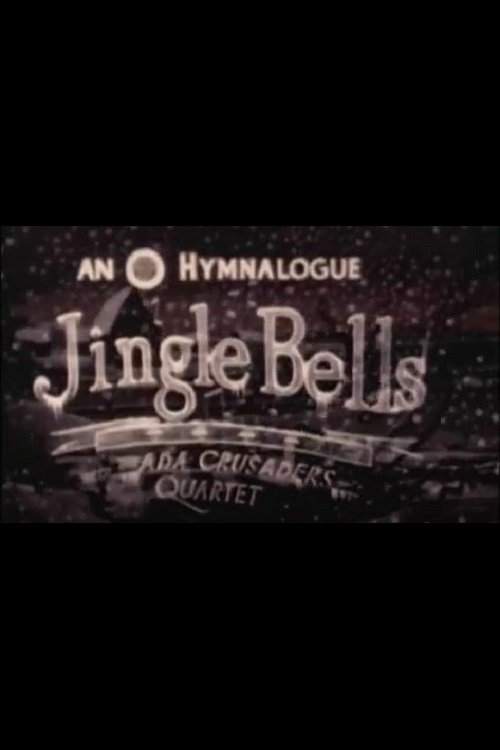
This 1950 musical visualization serves as a traditionalist medium designed to preserve liturgical hymns. Its main goal is religious education, which naturally limits its social representation. The content relies heavily on established mid-century norms and seasonal archetypes. Since it functions as a devotional tool for church hymns, it prioritizes reinforcing existing religious and cultural structures over diverse storytelling. Consequently, the film lacks diversity in terms of race, gender subversion, or LGBTQ+ identities. It remains a product of its era, focusing on preserving specific religious traditions for a young audience.
Category Breakdown
The film doesn't include any characters with non-cisgender identities. It sticks closely to mid-century themes without exploring diverse gender stories.
Characters like Santa and Rudolph follow traditional folklore roles. There’s no effort to challenge traditional gender roles or present non-traditional masculinity.
The visuals focus on classic Christmas imagery. It reflects the uniform aesthetic standards typical of 1950s devotional media.
As a devotional aid, the work emphasizes Christian morality and religious ideals. It reinforces traditional Western religious institutions.
The film features anthropomorphic characters like Mr. Snowman. There’s no specific portrayal of physical or neurodivergent disabilities.
Present on Screen
Limited or Absent
Official Synopsis
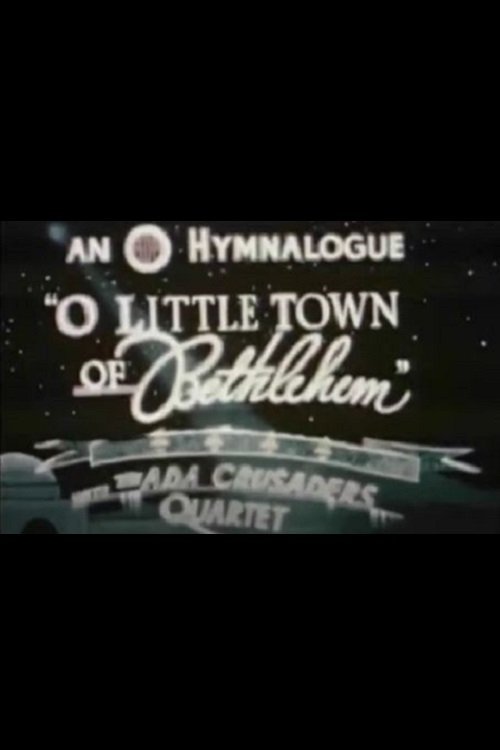
Jingle Bells one of the most popular Christmas song of all times video for kids with Santa, Rudolph, Mr. Snowman and more. A colorful and fun video for kids of Jingle Bells, one of the most well-known popular and commonly sung children's Christmas carol. Jingle Bells was one of four short visualizations of church hymns created by Neil McGuire Productions and the (ADA) Audio-visual Devotional Aids of North Hollywood, and released under the banner "Hymnalogue".
1993

1951
1988
1945
1945
1990

2018
1994
No reviews yet. Be the first to share your thoughts on this movie!
Use the rating form above to leave a star rating and optional review.