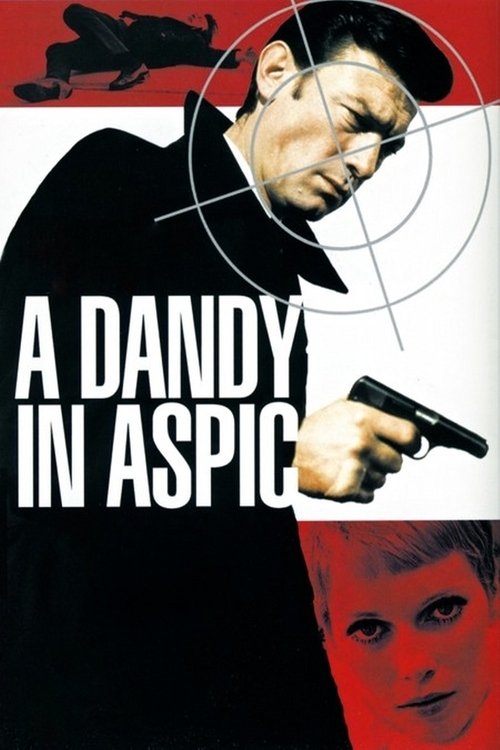
A Dandy in Aspic
1968
No user ratings available yet
Representation score: 3.3 out of 10
Representation Score
Minimal
1970
NRDirector
Sam Wanamaker
Runtime
107 minutes
Average Rating
No ratings yetNew Showbiz Analysis
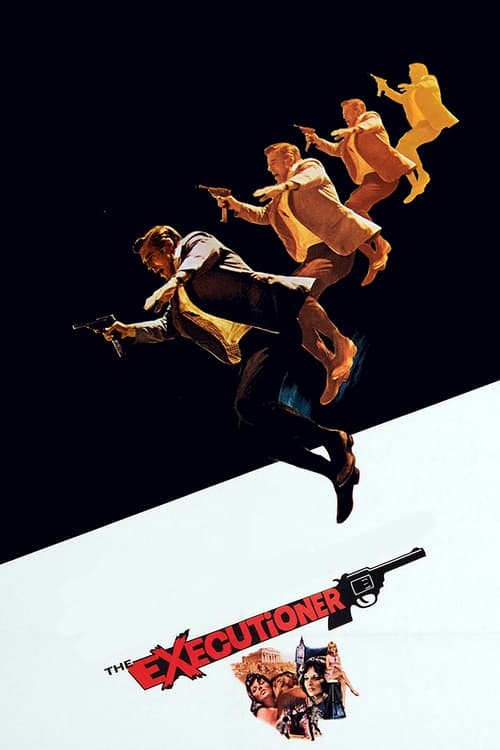
The Executioner is a typical 1970s espionage thriller that emphasizes loyalty to institutions and state security. Its narrative structure revolves around the mechanics of the genre, focusing on conflicts related to suspected spies. This approach leaves little room for exploring overlapping aspects of identity. Since the film adheres to the social norms of its time, it doesn't challenge traditional power structures. Instead, it supports the status quo.
Category Breakdown
The film follows traditional storytelling conventions that assume everyone is straight and cisgender. There are no characters with non-straight identities or stories that question this assumption.
The story likely upholds traditional ideas about men being leaders and women having less influence. It doesn't show women taking charge or questioning gender roles.
The setting focuses on a predominantly white, British intelligence community. There are no indications of a non-white majority cast or actors playing roles outside their traditional backgrounds.
The plot centers around national institutions and patriotism, focusing on state agents. It doesn't show signs of anti-Western or secularist viewpoints.
There are no characters with visible or invisible disabilities. None of these characters have a significant role in the story or drive the plot.
Present on Screen
Limited or Absent
Official Synopsis
A British intelligence agent must track down a fellow spy suspected of being a double agent.
1968
1973

1973
1965

1979

1973

1973

1977
No reviews yet. Be the first to share your thoughts on this movie!
Use the rating form above to leave a star rating and optional review.