
Just Before Losing Everything
2013
No user ratings available yet
Representation score: 5.4 out of 10
Representation Score
Good
2014
Director
Yohann Kouam
Runtime
20 minutes
Average Rating
No ratings yetNew Showbiz Analysis
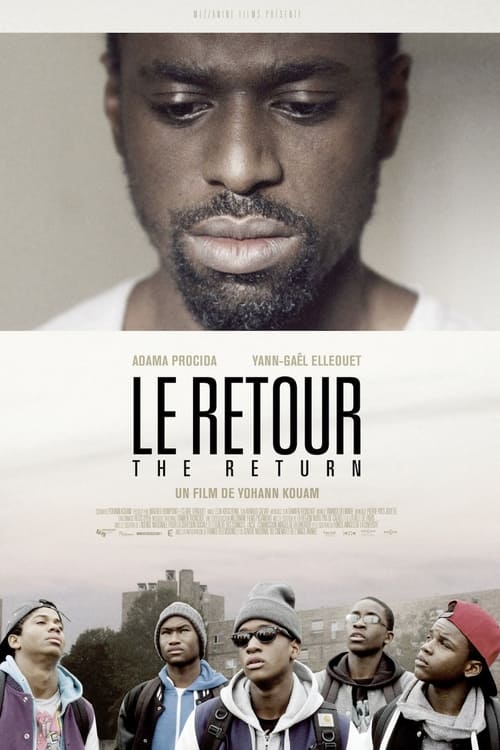
The Return is a focused study of identity that uses a sibling bond to navigate complex social themes. By centering a queer discovery, the film elevates a standard family drama into a meaningful exploration of non-traditional lived experiences. The production benefits from a diverse, non-Anglo-Saxon cast that lends authenticity to its multi-layered themes. This casting choice helps ground the film's exploration of personal truth against traditional domestic frameworks. However, the narrative's heavy focus on male characters creates a narrow gender lens. While it successfully challenges rigid masculine archetypes through emotional vulnerability, the absence of female perspectives restricts the scope of its gender representation.
Category Breakdown
The film centers its narrative on the discovery of a queer identity within a sibling relationship. This approach goes beyond including a single LGBTQ+ character and explores the tension between familial expectations and personal truth.
The story focuses heavily on male-centric interpersonal dynamics between Willy and Théo. While it delves into emotional vulnerability in men, the lack of female character presence limits broader gender representation.
A predominantly Black cast, including Adama Procida and Sileymane Dramé, drives the film. This ensemble helps move the narrative away from the homogeneous casting typical of mainstream Western cinema.
The film examines the friction between individual identity and established family structures. It prioritizes the dismantling of traditional norms over the preservation of institutional stability.
The narrative does not feature characters with disabilities, neurodivergence, or chronic illnesses. There is no evidence of these themes within the story arc.
Present on Screen
Limited or Absent
Official Synopsis
It has been a year since his older brother has left and Willy, fifteen, is waiting impatiently for him to come home. He thinks he knows everything about Théo, but shortly after his return, he discovers a secret about him.
2013

2017

2017

2006

2015

2015
2021

2015
No reviews yet. Be the first to share your thoughts on this movie!
Use the rating form above to leave a star rating and optional review.