Find another title
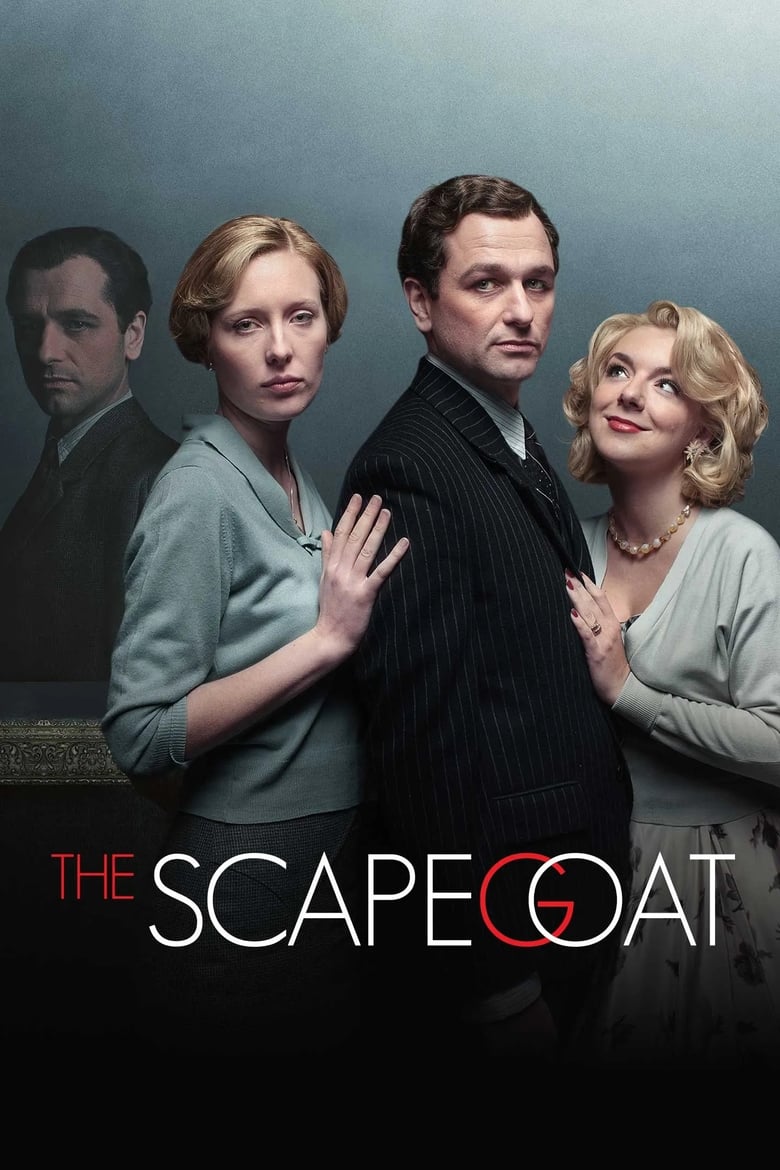
The Scapegoat
2012
Not RatedDirector
Charles Sturridge
Runtime
100 minutes
Average Rating
No ratings yetSynopsis
In 1952, as England prepares for the coronation, two very different men have one thing in common—a face.
Where to Watch
Diversity & Representation
Overall Score
Limited
Category Breakdown
LGBTQ+ Representation
The film operates within a strictly heteronormative framework typical of its 1930s setting. There are no visible non-cisnormative identities or narratives that challenge traditional gender roles.
Gender Representation
Female characters navigate complex social webs, yet their agency is often limited by marital status and reputation. The story remains heavily centered on the male protagonist's perspective and struggles.
Racial & Ethnic Diversity
The cast is predominantly homogeneous, reflecting the demographic realities of the British upper-middle class in the 1930s. It does not utilize diverse casting to challenge the historical status quo.
Religious & Cultural Diversity
This period mystery focuses on individual reputation and social standing rather than systemic critique. It upholds the values of the era through a lens of personal psychological drama.
Disability Representation
There are no prominent depictions of visible or invisible disabilities. No characters with disabilities serve as central plot devices within the narrative.
Strengths
- Maintains high historical fidelity to the social atmosphere of the 1930s.
- Provides a focused psychological study of character and reputation.
Areas for Improvement
- Lacks intersectional representation or diverse casting to challenge historical norms.
- The narrative remains heavily centered on male experiences and traditional hierarchies.
AI Analysis
The Scapegoat is a traditionalist period drama that prioritizes historical atmosphere and psychological suspense. It functions as a classic character study, immersing viewers in a specific historical moment rather than offering contemporary social commentary. The film adheres strictly to the social hierarchies and demographic realities of the 1930s. This commitment to historical fidelity results in a lack of intersectional representation and reinforces the era's existing social structures. Ultimately, the narrative architecture is designed for classical storytelling. It avoids disrupting conventional identity-based expectations, focusing instead on the fragility of truth and individual reputation.
Rate this Movie
Reviews
No reviews yet. Be the first to share your thoughts on this movie!
Use the rating form above to leave a star rating and optional review.