No Reason
2010
No user ratings available yet
Diversity score: 3.8 out of 10
2006
NRDirector
Steven R. Monroe
Runtime
88 minutes
Average Rating
No ratings yetSynopsis
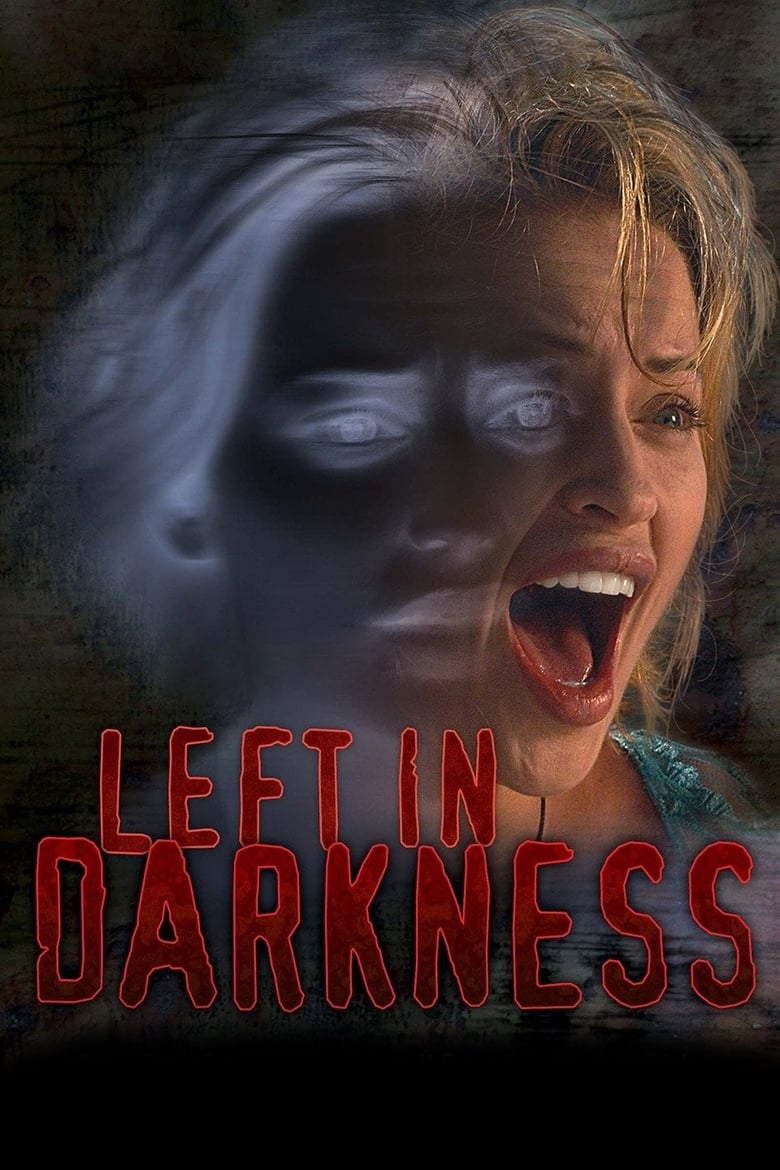
Celia has had a rough life, with a mother who died in childbirth and a father who disappeared. Unfortunately for Celia, death is not any easier than life. When she is drugged and raped at a frat party, Celia dies from an overdose, and must battle the terrible Soul Eaters who roam the afterlife.
Overall Score
Limited
Category Breakdown
LGBTQ+ Representation
The film lacks explicit LGBTQ+ characters or non-cisnormative identities. The narrative focuses on a singular protagonist's struggle, offering no evidence of queer visibility.
Gender Representation
Celia is a central female protagonist navigating extreme trauma. While she shows agency against supernatural threats, the premise leans heavily on common horror victim tropes.
Racial & Ethnic Diversity
The available information provides no details regarding the racial or ethnic composition of the cast. No assessment can be made regarding diverse representation or stereotypes.
Religious & Cultural Diversity
The story centers on a supernatural afterlife and metaphysical structures. It does not explicitly present a critique of Western institutions or specific religious frameworks.
Disability Representation
The protagonist deals with significant physical and psychological trauma. It remains unclear if these experiences are portrayed with agency or used strictly as horror plot devices.
Strengths
Areas for Improvement
AI Analysis
Left in Darkness operates within the traditional frameworks of mid-2000s horror. The narrative is driven by genre tropes, focusing on a singular protagonist's survival in a supernatural afterlife rather than social critique. While the film centers on a female lead, the reliance on trauma-based plot points suggests a reinforcement of traditional gendered vulnerability. The lack of information regarding racial or ethnic diversity prevents a full assessment of the cast's inclusivity. Ultimately, the film functions as a standard thriller. It lacks the intersectional storytelling or systemic subversion required to move beyond conventional cinematic boundaries.
2010

2017
2009

2011
2007

2004

1998

2011
2012

2010

2009

1998
No reviews yet. Be the first to share your thoughts on this movie!
Use the rating form above to leave a star rating and optional review.