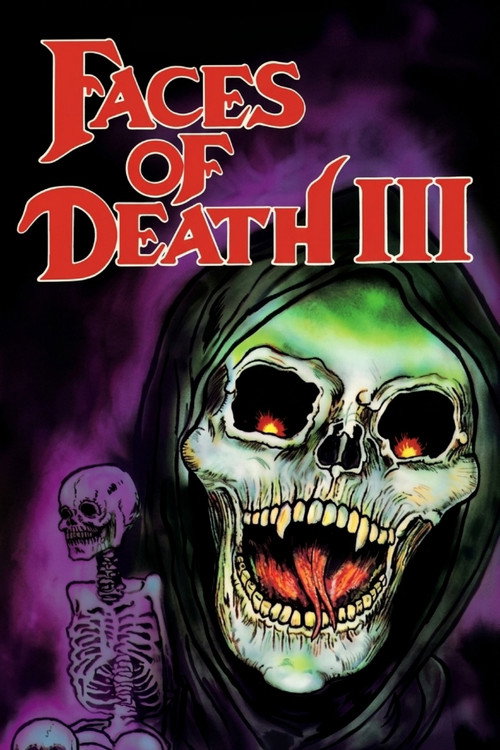
Faces of Death III
1985
No user ratings available yet
Diversity score: 2.0 out of 10
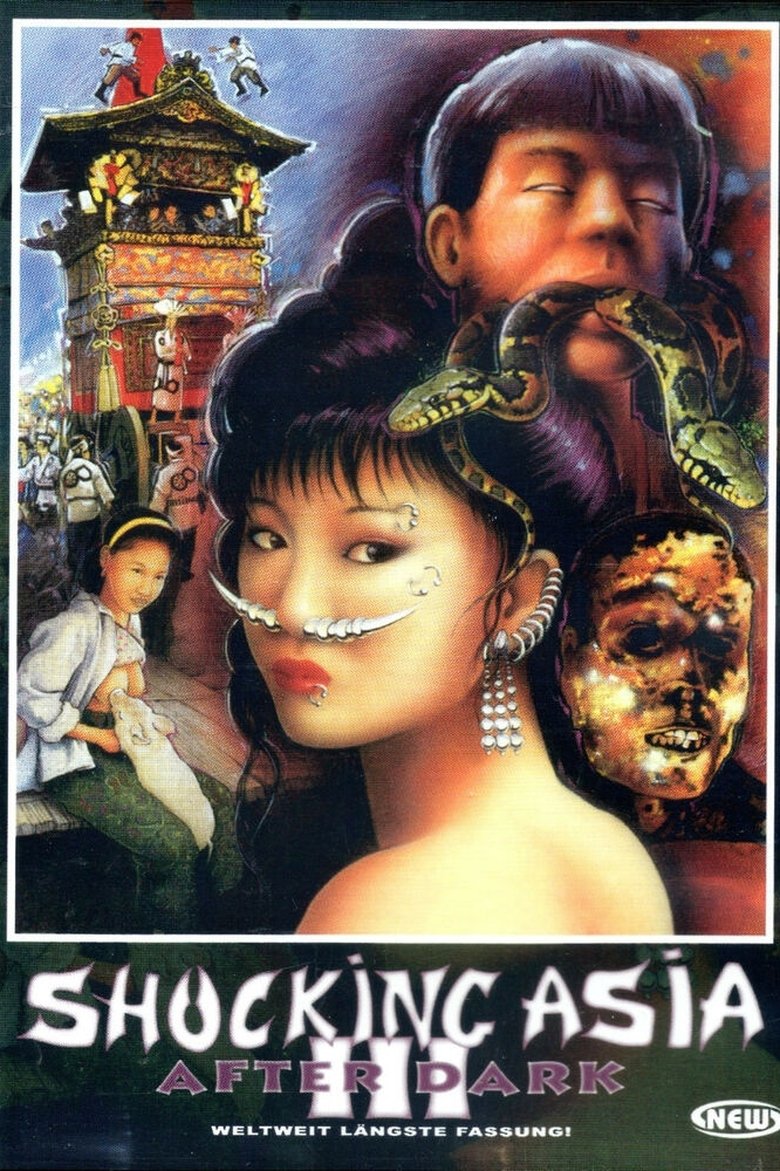
1995
Director
Sung-Jiu Kuang, Takafumi Nagamine
Runtime
102 minutes
Average Rating
No ratings yetSynopsis
"Shocking Asia 3" isn't too outrageous considering its subject matter. This shockumentary is set mostly in Japan
Overall Score
Limited
Category Breakdown
LGBTQ+ Representation
The film lacks any indication of LGBTQ+ characters or narratives. There is no evidence of depictions involving diverse sexual orientations or gender identities.
Gender Representation
There is no evidence of gendered agency or the subversion of traditional hierarchies. The film focuses on spectacle rather than nuanced character development.
Racial & Ethnic Diversity
Set primarily in Japan, the film offers a non-Western setting. However, the genre often relies on exoticizing foreign locales rather than providing deep, intersectional character agency.
Religious & Cultural Diversity
The work leans into transgressive, sensationalist content. It tends to operate through a lens of voyeurism rather than offering a critique of systemic institutions.
Disability Representation
No information is available regarding the portrayal of individuals with physical or neurodivergent disabilities. The film does not address disability representation.
Strengths
Areas for Improvement
AI Analysis
Shocking Asia III: After Dark functions as a shockumentary that prioritizes visceral impact and sensationalism over structured narrative or character depth. Because the film focuses on shock value, it lacks the complex, intersectional storytelling necessary for a high diversity rating. While the Japanese setting provides a departure from Anglo-centric perspectives, the film's approach appears more voyeuristic than empowering. It utilizes a non-Western locale as a backdrop for spectacle rather than exploring meaningful cultural or social nuances. Ultimately, the absence of identifiable LGBTQ+, gendered, or disability-focused narratives results in a low score. The film's primary objective is transgressive impact rather than progressive representation.
1985
1990
1975
2006
2000
1987
1995
1996

2010

2009

2008
1999
No reviews yet. Be the first to share your thoughts on this movie!
Use the rating form above to leave a star rating and optional review.