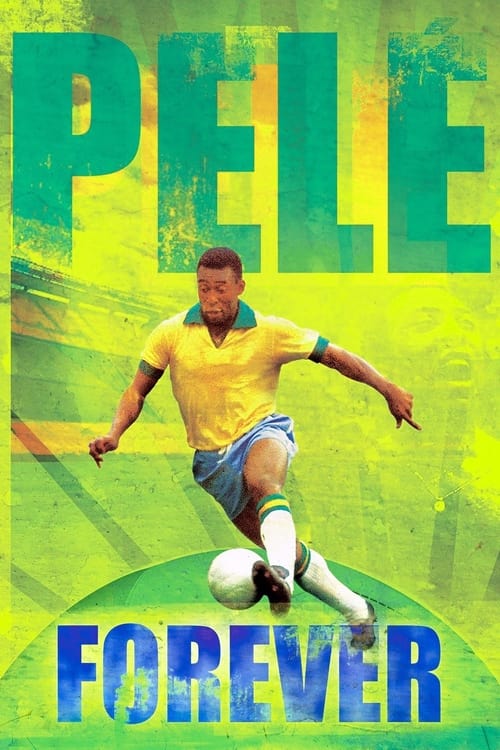
Pelé Forever
2004
No user ratings available yet
Diversity score: 5.1 out of 10

2010
Director
Lynn Novick, Ken Burns
Runtime
243 minutes
Average Rating
No ratings yetSynopsis
In an age of globalization and deregulation, a cataclysmic strike over money and power brings baseball to the brink; dazzlingly talented Latin players transform the sport; Cal Ripken becomes baseball's new Iron Man; and Ken Griffey, Jr. and Barry Bonds are simply dazzling. The Braves dominate the National League while the Yankees build a new dynasty. As home run totals soar, sluggers Mark McGwire and Sammy Sosa smash one of the game's most hallowed records. Meanwhile, behind the scenes, players on every team must make life altering decisions about how far they are willing to go to succeed.
Overall Score
Fair
Category Breakdown
LGBTQ+ Representation
The film focuses on a historically heteronormative era of Major League Baseball. There are no documented LGBTQ+ characters or narratives addressing non-cisnormative identities.
Gender Representation
The narrative centers on a male-dominated sphere where agency remains almost exclusively with male players. Women appear primarily in peripheral roles like spectators or reporters.
Racial & Ethnic Diversity
The documentary excels by centering Black players and the impact of Jackie Robinson. It provides a deep look at how Latin American players and ethnicity reshaped the sport.
Religious & Cultural Diversity
The film examines the tension between baseball's purity and encroaching capitalism. It offers a nuanced critique of how commercial interests and systemic power influenced the game.
Disability Representation
There is no significant focus on visible or invisible disabilities. The narrative prioritizes athletic performance and systemic social shifts over themes of neurodivergence or physical disability.
Strengths
Areas for Improvement
AI Analysis
The documentary serves as a powerful tool for historical deconstruction, particularly regarding racial hierarchies. It moves beyond tokenism to show how marginalized groups navigated systemic oppression to transform the sport. However, the film is limited by its subject matter. The inherent male-centricity of professional baseball results in low scores for gender and LGBTQ+ representation. The narrative architecture prioritizes the athletic and socioeconomic shifts of the era. Ultimately, the work succeeds by refusing to present a sanitized version of history. It examines the friction between individual agency and the institutional structures that governed the game.
2004

2019

2015

2019
2014
2014
2010

2010
2022
2004

2014
2023
No reviews yet. Be the first to share your thoughts on this movie!
Use the rating form above to leave a star rating and optional review.