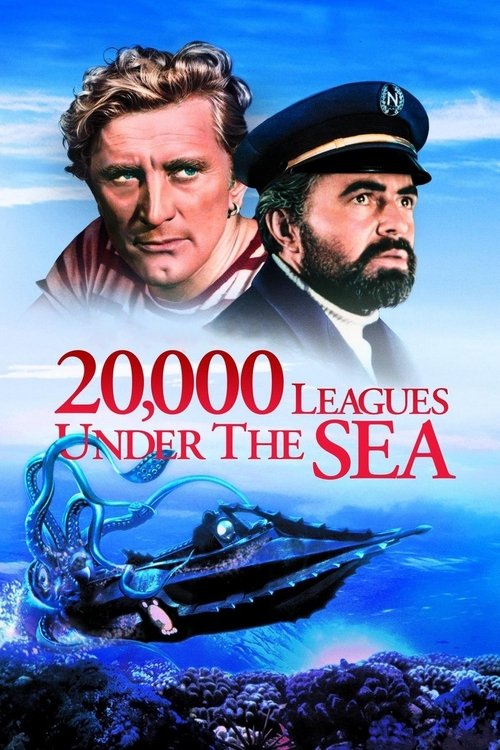
20,000 Leagues Under the Sea
1954
No user ratings available yet
Representation score: 2.9 out of 10
Representation Score
Minimal
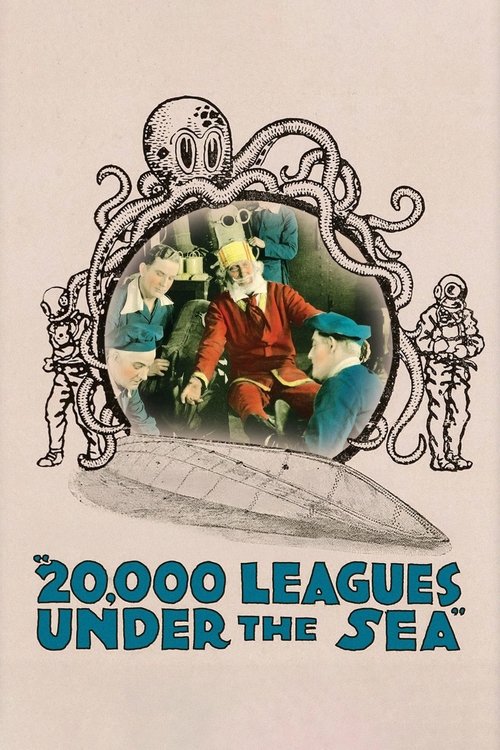
1916
PGDirector
Stuart Paton
Runtime
99 minutes
Average Rating
No ratings yetNew Showbiz Analysis
This 1916 silent film reflects the social norms of its time, emphasizing traditional hierarchies common in early 20th-century adventure cinema. The narrative focuses on a homogeneous, male crew, offering limited opportunities for diverse representation. Despite the lack of diversity in gender, race, and disability, the film presents a unique perspective through Captain Nemo. His defiance of national jurisdictions subtly critiques institutional authority and Western societal structures. Overall, the film serves as a conventional maritime adventure that mirrors the social constraints of its era without challenging them.
Category Breakdown
The film does not include any LGBTQ+ characters or explore non-straight identities. It focuses on a male-dominated environment without addressing queer identities.
The story centers around a male crew where the main characters drive the plot. Female characters are few and play minor roles supporting the main adventure.
The cast is primarily white, reflecting the production standards of 1916. There is no indication of diverse ethnic backgrounds or intentional use of color-blind casting.
Captain Nemo’s rejection of established nations highlights individual sovereignty over Western institutional control. This introduces a nuanced perspective on societal laws.
The film does not depict any prominent characters with physical or neurodivergent disabilities. Characters are shown as having typical physical capabilities needed for maritime survival.
Present on Screen
Limited or Absent
Official Synopsis
Captain Nemo has built a fantastic submarine for his mission of revenge. He has traveled over 20,000 leagues in search of Charles Denver - a man who caused the death of Princess Daaker. Seeing what he had done, Denver took the daughter to his yacht and sailed away.
1954
1953

1997

1956
2007
1935
1975

1989
No reviews yet. Be the first to share your thoughts on this movie!
Use the rating form above to leave a star rating and optional review.