The Frog Prince
1986
No user ratings available yet
Diversity score: 3.0 out of 10
1986
GDirector
Carroll Ballard
Runtime
85 minutes
Average Rating
No ratings yetSynopsis
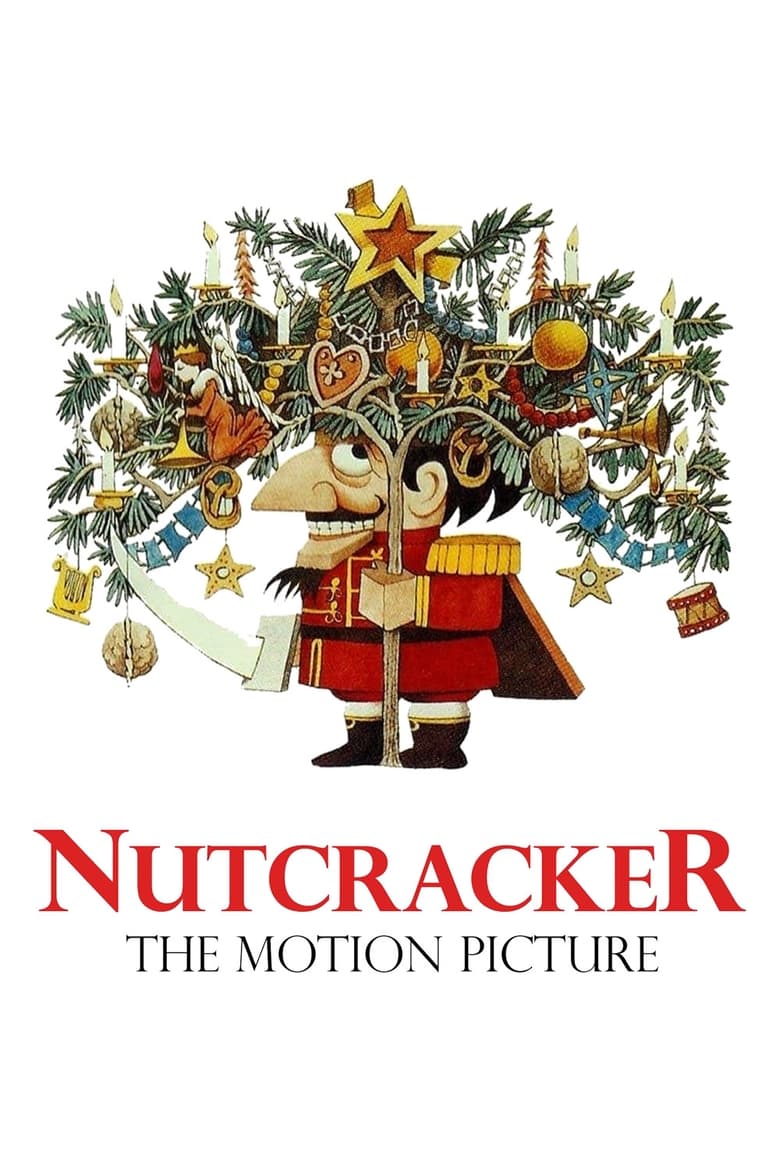
In this Pacific Northwest Ballet performance, it is Christmas Eve and festivities are underway. Clara is excited when her godfather arrives with a bag full of gifts, one of which is an intriguing wooden nutcracker. That night, while the household sleeps, Clara visits the Christmas tree to inspect her nutcracker and soon finds herself immersed in a dream world both dark and enchanting.
Overall Score
Limited
Category Breakdown
LGBTQ+ Representation
The film adheres to traditional narrative structures without any non-cisnormative identities. Character dynamics remain strictly within the conventional bounds of a Victorian-era family setting.
Gender Representation
Clara serves as the primary driver of the dream-state journey, granting her significant agency. While toy soldiers represent traditional masculine archetypes, the film avoids deconstructing gender hierarchies.
Racial & Ethnic Diversity
The production maintains a homogeneous cast reflecting the Eurocentric origins of the ballet. It functions as a traditionalist period piece without including non-white characters.
Religious & Cultural Diversity
The film celebrates Western classical traditions and the sanctity of the family unit. It focuses on preserving 19th-century aesthetic and musical heritage.
Disability Representation
There are no visible or invisible disabilities portrayed with agency. No characters have identities defined by physical or neurodivergent conditions.
Strengths
Areas for Improvement
AI Analysis
Carroll Ballard’s adaptation prioritizes historical and aesthetic fidelity to the Tchaikovsky source material. The film functions as a formalist preservation of Victorian-era traditions rather than a vehicle for social commentary. While the film succeeds in centering Clara as a protagonist with psychological importance, it remains culturally and demographically narrow. The focus on a singular, Eurocentric perspective limits its intersectional depth. Ultimately, the work is a traditionalist period piece. It excels at atmospheric immersion but lacks the representation of diverse identities or systemic critiques found in more contemporary adaptations.
1986
1972

1981
2015

1999

2018

2016

2022

1995
1948
1983
2012
No reviews yet. Be the first to share your thoughts on this movie!
Use the rating form above to leave a star rating and optional review.