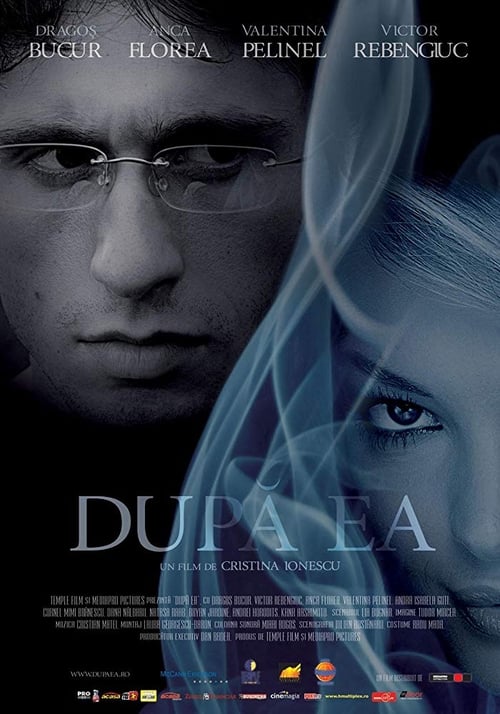
După ea
2007
No user ratings available yet
Representation score: 4.3 out of 10

Representation Score
Limited
2006
Director
Iura Luncașu
Runtime
93 minutes
Average Rating
No ratings yetNew Showbiz Analysis
Tears of Love operates as a traditional character drama rooted in mid-2000s regional storytelling. While it avoids purely domestic female roles by giving Alexandra professional authority, the plot remains tied to conventional romantic archetypes and straight-centered structures. The film lacks intentionality regarding diverse representation. It focuses on established social milestones—such as professional success, marriage, and family formation—rather than challenging cultural hierarchies or exploring diverse identities. Ultimately, the production follows a standard dramatic trajectory that prioritizes emotional melodrama over social subversion or diverse casting.
Category Breakdown
The story focuses on heterosexual romantic relationships between established couples. There are no characters with non-binary gender identities or LGBTQ+ identities.
Alexandra plays a significant role in managing a company and is recognized as a businesswoman. However, the plot emphasizes her emotional vulnerabilities and traditional romantic struggles.
The cast appears to be localized and homogeneous, consistent with the regional context of the film. There is no indication of multi-ethnic casting or efforts to include diverse ethnic backgrounds.
The themes emphasize romantic melodrama and the sanctity of the family unit. The film adheres to conventional social structures and traditional milestones such as marriage and pregnancy.
The film does not include any characters with visible or invisible disabilities, neurodivergent conditions, or chronic health issues.
Present on Screen
Limited or Absent
Official Synopsis
It's been almost a year since Alexandra and Andrei haven't seen each other. He fulfilled his dream and became a famous actor, she has become, since taking over Grigore Varlam's company, a recognized businesswoman and threw herself desperately into work to forget and leave everything behind. Mihai is expecting a child with Maia and, head over heels in love with his wife, is far too preoccupied with his family to help Alexandra. As a result she has hired an assistant, Gabriel Duma, a man always ready to help her. She does not notice his advances and treats him as a friend and colleague.
2007

1992

2016

2009

2010

2005

1963
2006
No reviews yet. Be the first to share your thoughts on this movie!
Use the rating form above to leave a star rating and optional review.