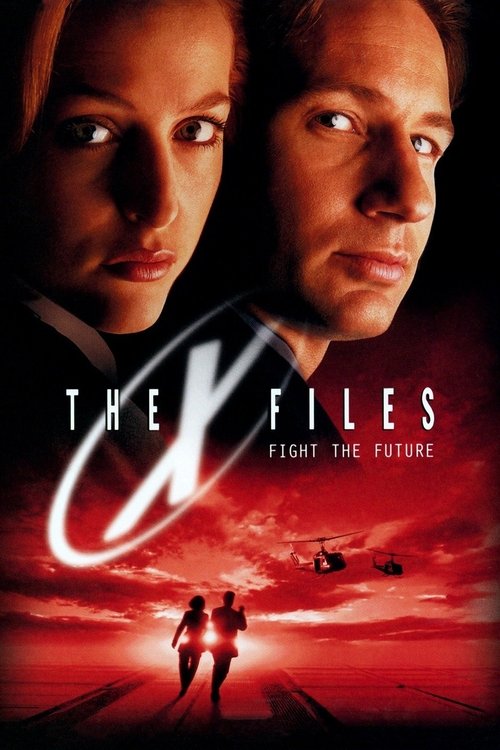
The X-Files
1998
No user ratings available yet
Representation score: 7.0 out of 10
Representation Score
Good
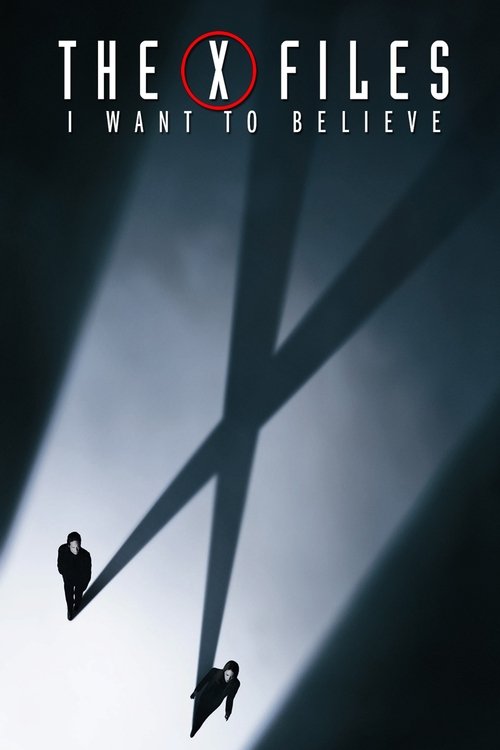
2008
PG-13Director
Chris Carter
Runtime
104 minutes
Average Rating
No ratings yetNew Showbiz Analysis
The film excels at deconstructing traditional power structures and gender hierarchies, particularly through Scully's scientific expertise. However, it remains narrow in its social scope, focusing primarily on the established protagonists. While the narrative challenges institutional authority and promotes a skeptical worldview, it falls short in providing significant LGBTQ+ or racially diverse representation. The casting remains largely homogeneous and centered on the main characters. Ultimately, the film prioritizes a postmodernist critique of state institutions over a diverse social tapestry, resulting in a profile that is intellectually subversive but demographically limited.
Category Breakdown
The story focuses primarily on the relationship between Mulder and Scully, which is based on the assumption that everyone is straight or cisgender. There are no significant LGBTQ+ subplots or characters with non-cisgender identities.
Dana Scully provides scientific expertise that balances Mulder's intuition, giving her a central role in driving the narrative. This dynamic challenges traditional gender hierarchies by emphasizing female competence.
The cast is predominantly Anglo-centric, with few characters representing diverse racial backgrounds. The film does not actively seek out multi-layered casting to enhance the plot.
The film criticizes Western institutional authority by depicting government agencies as secretive and untrustworthy. It explores moral relativism through the tension between skepticism and spirituality.
Psychological distress and trauma are used as plot devices rather than exploring nuanced portrayals of disability. Characters with disabilities have little independent influence on the narrative.
Present on Screen
Limited or Absent
Official Synopsis
Mulder and Scully are called back to duty by the FBI when a former priest claims to be receiving psychic visions pertaining to a kidnapped agent.
1998

2011
1999
1977
2009

2019
2004
2011
No reviews yet. Be the first to share your thoughts on this movie!
Use the rating form above to leave a star rating and optional review.