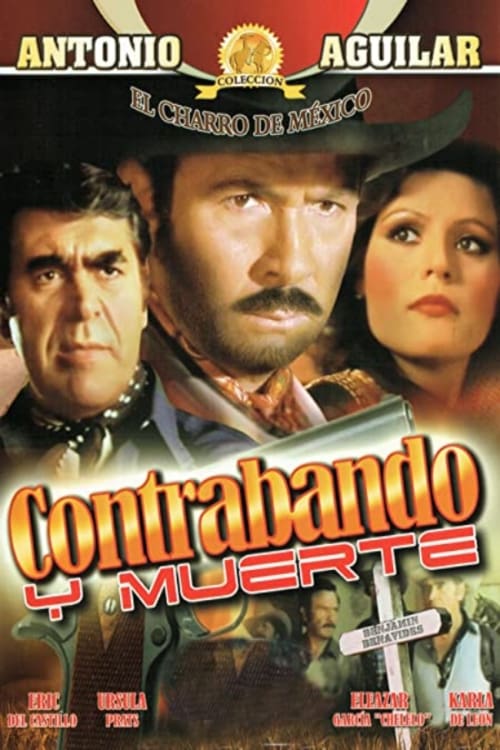
Contrabando y muerte
1986
No user ratings available yet
Representation score: 2.6 out of 10
Representation Score
Limited
2005
Director
Aurora Martínez
Runtime
87 minutes
Average Rating
No ratings yetNew Showbiz Analysis
The film opens on a gritty, sweat-drenched close-up of a young man’s face, establishing a tone of urban decay that permeates the entire narrative. This visual texture is not merely aesthetic but thematic, reflecting the claustrophobic reality of a society where human beings are reduced to commodities. The central conflict revolves around a drug lord’s betrayal, but the deeper story is one of systemic exploitation, where the female lead’s “whiteness” serves as a marker of value in a local economy. The sold meaning is clear: in this broken urban landscape, everyone is a product. The men are not saviors but participants in a network of exploitation, their masculinity defined by their ability to navigate a system that offers no escape. The camera does not love any character; it observes them with a detached, journalistic eye, highlighting the structural irony that those who claim to be helping are actually complicit in the harm. The ending is ambiguous, leaving the female lead’s fate unresolved and the male leads hollowed out, standing in the same broken space. This 2005 independent production rejects polished drama in favor of social realism, using its raw visuals to underscore the moral weight of its subject matter. The film’s argument is that the system itself never pays the price; only the individuals within it suffer. The lack of a clean moral victory is not a flaw but a feature, reflecting the film’s thesis that in a broken world, no one is truly free. The last image is a verdict on the futility of individual resistance against systemic forces, leaving the audience with the uncomfortable realization that the transaction was never about rescue, but about consumption.
Category Breakdown
No queer presence. The plot tracks heterosexual power dynamics, treating the female body as a tradeable asset. No same-sex intimacy or identity appears in the available material.
The female lead is a vulnerable object of trade, valued for status rather than agency. The male ensemble acts as complicit nodes in the economy, observed without romanticization of their role in her exploitation.
The title’s “white” marks the female commodity’s class status, distinguishing her from the local male cast. The ensemble appears primarily Spanish, using her perceived whiteness as a plot device for trafficking value.
Traditional institutions vanish; the urban landscape and economic system drive the narrative. Crime and trafficking appear as systemic features of a broken society, where the structure remains intact while individuals suffer the consequences.
No physical or cognitive disabilities are depicted. The narrative focuses on economic exploitation and urban survival, offering no engagement with impairment or disability identity.
Present on Screen
Limited or Absent
Official Synopsis
Drug lord Joaquín is betrayed by his right-hand man, who contacts the clients and tells them the boss is dead.
1986
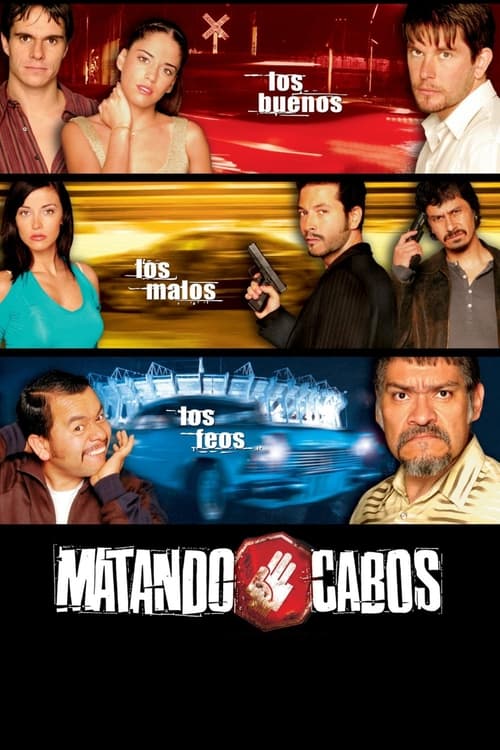
2004
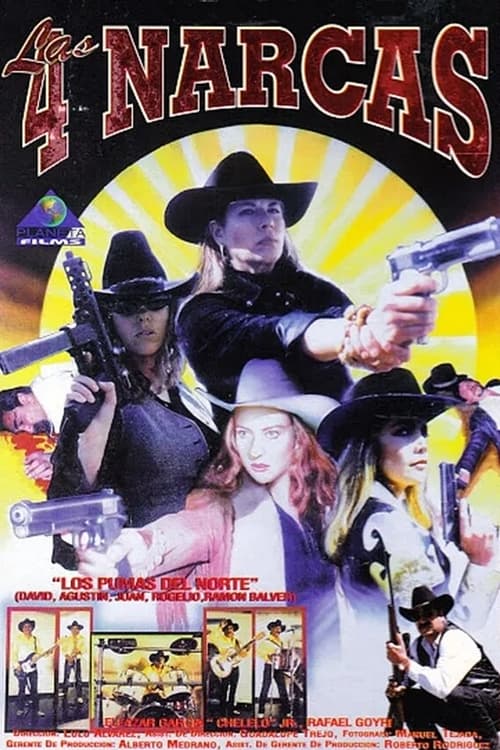
1999
2012
2001
2003
1995
2000
No reviews yet. Be the first to share your thoughts on this movie!
Use the rating form above to leave a star rating and optional review.