
The Shameless
2015
No user ratings available yet
Representation score: 5.3 out of 10
Representation Score
Limited
2004
Not RatedDirector
Byun Hyuk
Runtime
115 minutes
Average Rating
No ratings yetNew Showbiz Analysis
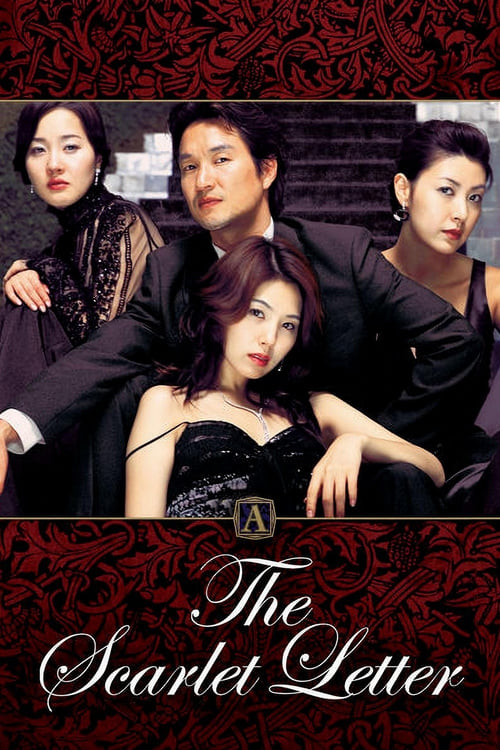
The Scarlet Letter primarily operates within the conventions of the crime-thriller genre. It focuses on individualistic romantic conflicts and professional tensions rather than progressive social commentary or systemic challenges. While the film offers a non-Western perspective due to its South Korean setting, the character dynamics remain traditional. The narrative structure relies on standard genre formulas, such as a male lead whose personal desires impact his professional life. Overall, the film lacks explicit evidence of characters who reflect more than one aspect of diversity. It functions as a regional genre piece rather than a work aimed at challenging social or identity-based norms.
Category Breakdown
The film hints at unconventional relationships through brief mentions of secret romances. However, it does not explicitly confirm any non-straight relationships or specific LGBTQ+ representation.
The story revolves around a male protagonist whose romantic interests shape the plot. This structure adheres to traditional genre clichés where a man's emotions drive the narrative.
As a South Korean production, the film offers a non-Western viewpoint. While it provides a fresh perspective, it does not blend specific multi-layered identities.
The plot delves into the tension between personal ethics and public responsibilities. It emphasizes individual drama over systemic critiques of societal structures.
There is no mention of characters dealing with physical, neurological, or mental health conditions in the narrative.
Present on Screen
Limited or Absent
Official Synopsis
A cop's desire for love gets in the way of his job and his professional life. Secret love affairs begin to dangerously collide as he gets assigned to a new homicide case.
2015
2010
1996

1985
1999

1992
2000

2010
No reviews yet. Be the first to share your thoughts on this movie!
Use the rating form above to leave a star rating and optional review.