
Peace Code
2014
No user ratings available yet
Representation score: 4.6 out of 10
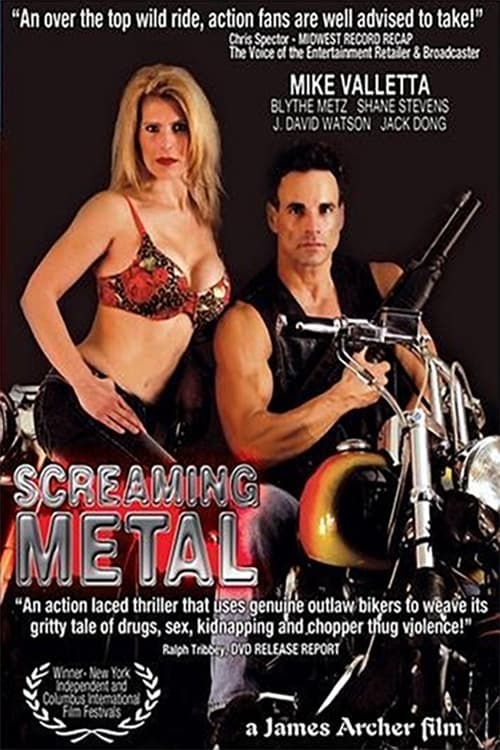
Representation Score
Minimal
2002
RDirector
James Archer
Runtime
84 minutes
Average Rating
No ratings yetNew Showbiz Analysis
Leather and Iron follows a conventional crime-action framework centered on a singular male protagonist. The plot relies on the 'man in peril' cliché, focusing on individual stakes and material conflict rather than exploring identity issues. The narrative structure suggests a traditional early-2000s genre approach. It prioritizes plot-driven tension over the deconstruction of social or systemic hierarchies, resulting in a narrow demographic scope. Ultimately, the film lacks the complexity or demographic breadth needed for a progressive score, sticking to established, homogeneous genre conventions.
Category Breakdown
The film does not include any characters with non-binary gender identities or same-sex relationships. The story revolves around a male protagonist and his conflict with a biker gang.
The story centers on a male lawyer, reinforcing traditional masculine roles. There are no female characters or attempts to challenge gender hierarchies.
The synopsis does not indicate a diverse cast or non-white characters. The narrative follows a typical Western crime story that emphasizes homogeneity.
The film uses standard Western genre clichés involving wealthy and outlaw gangs. It does not explore diverse cultural, secularist, or anti-Western themes.
The film does not mention any characters with visible or invisible disabilities. The plot does not use disability as a narrative element.
Present on Screen
Limited or Absent
Official Synopsis
John Telliman, a rich lawyer who rides bikes on the weekends, falls into some trouble with a gang of outlaw bikers and gets a case in his possession that will only bring him misery. So...what's in the case, and why do they want it?
2014

1991

1995

1953
2004

1993

2003
1992
No reviews yet. Be the first to share your thoughts on this movie!
Use the rating form above to leave a star rating and optional review.