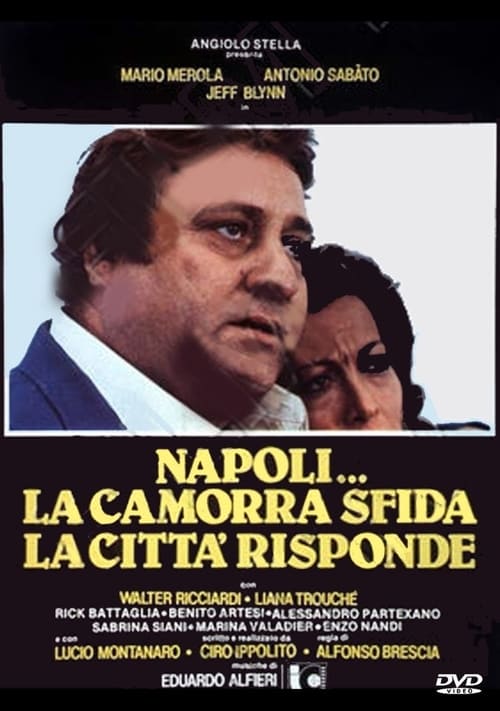
Naples... The Camorra Challenges, the City Hits Back
1979
No user ratings available yet
Representation score: 4.0 out of 10
Representation Score
Limited
1972
Director
Pasquale Squitieri
Runtime
105 minutes
Average Rating
No ratings yetNew Showbiz Analysis
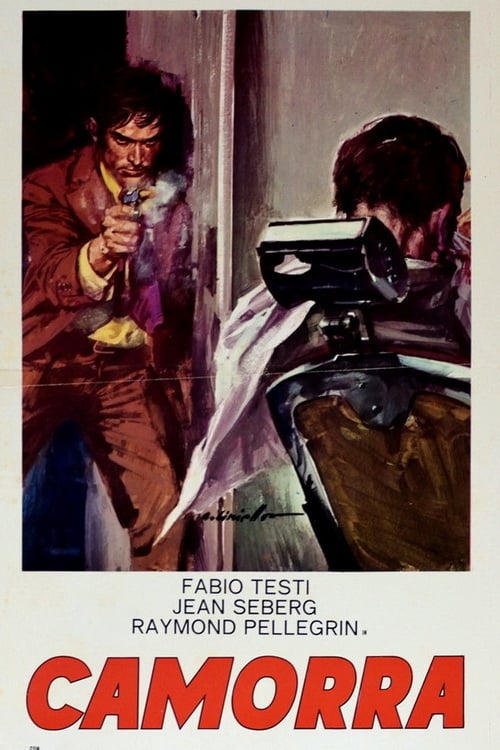
The film opens on the suffocating heat of Naples, where the architecture itself seems to trap the poor in a cycle of obligation. Pasquale Squitieri’s *Camorra* sells the image of the criminal underworld not as a deviation from normalcy, but as the true family structure of the marginalized. Tonino Russo (Fabio Testi) is not a villain but a son, a lover, and a soldier, bound by a code that treats loyalty as the highest virtue. The camera lingers on his face with a reverence usually reserved for saints, framing his ascent in the gang as a form of tragic heroism rather than moral failure. The sold meaning is clear: the Camorra is a prison that offers the only freedom available to the poor. Traditional institutions—church, state, and even the nuclear family—are shown as hollow or powerless in comparison to the gang’s iron grip. Tonino’s father is a weak figure, his mother a silent observer, while the Don commands respect with the slow, deliberate movements of a king. The film argues that in a world that has abandoned the working class, the criminal hierarchy is the only structure that provides identity, protection, and purpose. However, the film’s internal logic pulls against its romanticism. The "honor" of the code is revealed as a mask for self-preservation and control. Don Mario Capece (Raymond Pellegrin) manipulates everyone, sending men to their deaths while maintaining his status, and he is never truly punished. The ending is not a moral victory but a quiet, devastating acceptance of fate. Tonino is left alone, the weight of the code settling over him, stripped of the earlier glamour. The last image is intimate, focusing on his face in the dim light, rewarding the audience with the tragic inevitability of the system rather than a critique of it. The film loves the uniform, even as it mourns the destruction it causes.
Category Breakdown
The narrative defaults to heteronormative structures without depicting queer intimacy. No characters explore non-traditional sexual identities or relationships. The on-screen population remains strictly binary and straight.
Anna pursues Tonino and offers a factory job, asserting domestic agency. Luisa remains a detached romantic prize, functioning as an emotional anchor. No women hold leadership roles within the criminal hierarchy.
The cast is homogeneous, defining identity through local Neapolitan class and regional belonging. No non-white characters or interracial dynamics appear in the ensemble. Immigrant, Black, or Asian communities are absent from the setting.
The Camorra is framed as an inescapable family structure that supersedes the state. Traditional family values appear fragile under criminal obligation and economic pressure. The hierarchy is presented as a natural social order rather than inherently immoral.
Nicola “Sciancato” is a named character whose physical limp serves as a constant visual marker. Disability is treated as a static trait and source of comic relief. No disabled characters possess narrative agency beyond their physical limitation.
Present on Screen
Limited or Absent
Official Synopsis
The fast career of a young Neapolitan among contraband, gambling dens, bribes and illegality. He will upgrade its rank till the maximum level of the "Family".
1979

2019
1979
2022
1973

1975
1992

2018
No reviews yet. Be the first to share your thoughts on this movie!
Use the rating form above to leave a star rating and optional review.