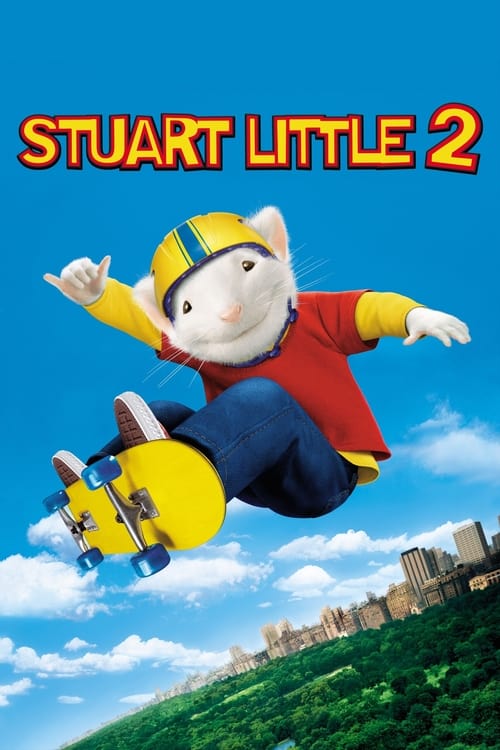
Stuart Little 2
2002
No user ratings available yet
Representation score: 2.1 out of 10
Representation Score
Minimal
2006
PGDirector
Tim Hill
Runtime
86 minutes
Average Rating
No ratings yetNew Showbiz Analysis
This film is a conventional family comedy that prioritizes broad commercial appeal over social complexity. It relies heavily on established genre clichés and traditional narrative structures that avoid challenging existing social hierarchies. Representation is limited across the board. The cast is largely homogeneous, and the setting reinforces standard Western domestic and property-based values without offering any cultural critique or multi-layered depth. Ultimately, the film serves as a streamlined product designed for mainstream entertainment, leaving little room for the inclusion of diverse identities or the disruption of conventional social expectations.
Category Breakdown
The film does not include any LGBTQ+ characters or identities that don't align with being straight and cisgender. The story focuses solely on heterosexual relationships without any queer undertones.
Gender dynamics revolve around the 'clumsy male' cliché through Jon Arbuckle. Female characters play minor roles and lack intellectual strength or significant influence.
The story centers on a predominantly white cast set in a traditional Western environment. It does not use non-human species as metaphors for racial diversity or inclusion.
The story upholds traditional Western values of home and property ownership. It follows a standard moral compass typical of family-friendly media from the early 2000s.
The film does not represent any visible or invisible disabilities. Characters are defined by personality traits like laziness rather than experiences of neurodivergence or disability.
Present on Screen
Limited or Absent
Official Synopsis
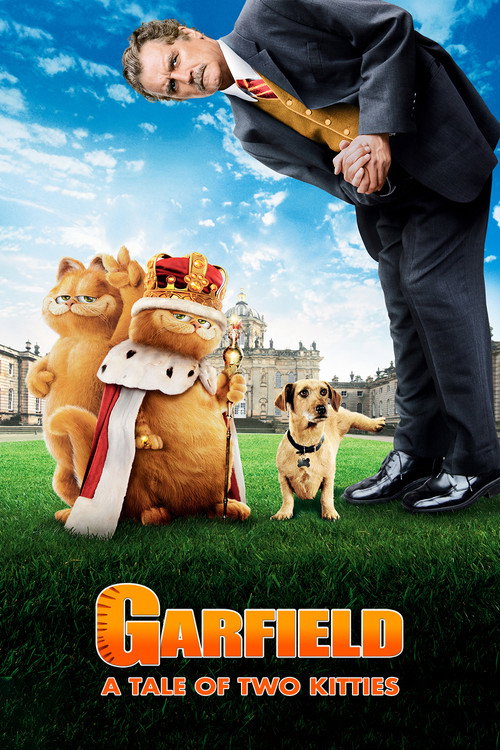
Jon and Garfield visit the United Kingdom, where a case of mistaken cat identity finds Garfield ruling over a castle. His reign is soon jeopardized by the nefarious Lord Dargis, who has designs on the estate.
2002
2002
2003

2007

2004

1997

2010
2004
No reviews yet. Be the first to share your thoughts on this movie!
Use the rating form above to leave a star rating and optional review.