The Smurfs
2011
No user ratings available yet
Representation score: 2.5 out of 10
Representation Score
Good
2008
GDirector
Steve Martino, Jimmy Hayward
Runtime
86 minutes
Average Rating
No ratings yetNew Showbiz Analysis
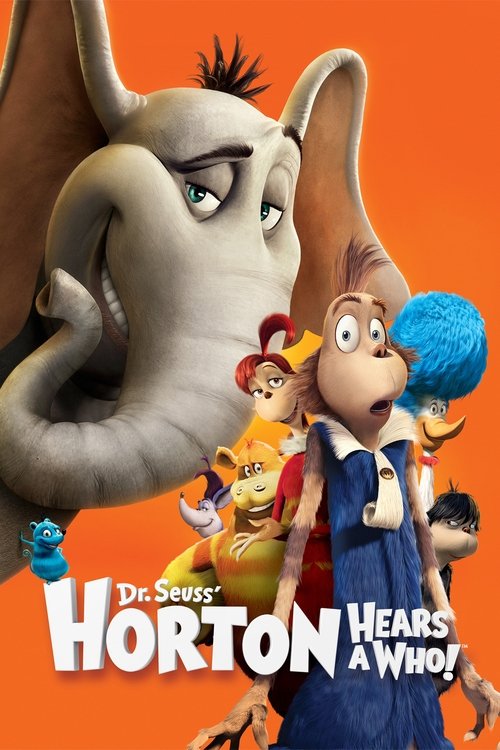
Horton Hears a Who! operates as a sophisticated fable about recognizing the underrepresented. It uses a microscopic minority to challenge the systemic dismissal found in dominant, often hostile majorities. The film's strength lies in its thematic depth regarding visibility and truth. While the film lacks explicit identity-based representation, its narrative structure disrupts conventional expectations of social harmony. It champions the individual's ability to uphold truth against a skeptical collective. This makes the film a robust exploration of how societies treat those they cannot see or understand. Ultimately, the film succeeds by using scale and species as metaphors for social hierarchies. It goes beyond simple character clichés to address the moral imperative of protecting the small and unheard.
Category Breakdown
The film doesn't include explicit LGBTQ+ characters or stories focused on non-straight relationships. The social structures highlighted center around biological and civic roles rather than sexual orientation.
Gertrude McFuzz provides moderate representation through a storyline centered on bodily autonomy and self-acceptance. However, the main plot revolves around the male protagonist, Horton.
Using anthropomorphic animals as metaphors, the film explores themes of visibility and scale. The Whos represent a diverse community contrasted against the more chaotic majority in the Jungle of Nool.
The narrative critiques traditional social cohesion by portraying the majority as a source of systemic oppression. It emphasizes individual morality over the established collective order.
Representation is metaphorical, focusing on the social invalidation of Horton’s sensory perception. The film validates his unique experience, framing his perceived madness as a source of heroic action.
Present on Screen
Limited or Absent
Official Synopsis
An imaginative elephant named Horton hears a faint cry for help coming from a tiny speck of dust floating through the air. Horton suspects there may be life on that speck and despite a surrounding community, who thinks he has lost his mind, he is determined to save the tiny particle.
2011
2006
2001

2008
2014

1997

2014
2005
No reviews yet. Be the first to share your thoughts on this movie!
Use the rating form above to leave a star rating and optional review.