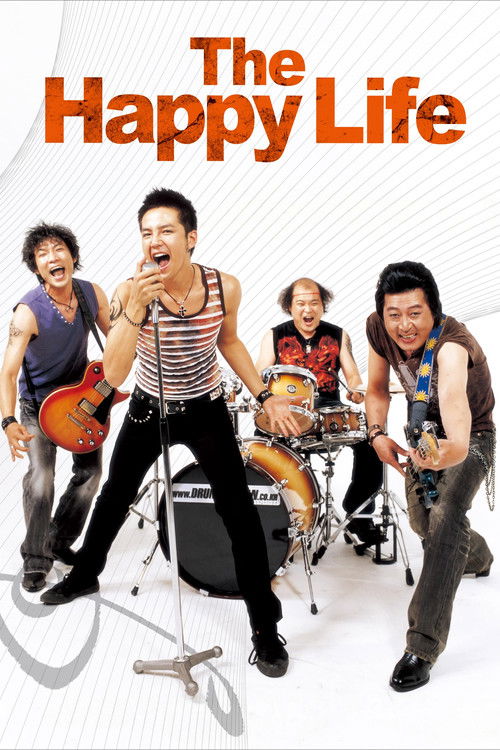
The Happy Life
2007
No user ratings available yet
Diversity score: 3.9 out of 10

2009
Director
Yoshihiro Nakamura
Runtime
112 minutes
Average Rating
No ratings yetSynopsis
A rock band writes a song called "Fish Story" that is foretold to save the world. The song exceeds the boundaries of space and time and ties people and their stories together.
Overall Score
Fair
Category Breakdown
LGBTQ+ Representation
The film uses a musical motif to bridge disparate lives across time and space. While the ensemble structure allows for various interpersonal dynamics, there is no explicit evidence of queer narratives or non-cisnormative identities.
Gender Representation
The narrative disrupts the traditional hero's journey by distributing agency across an ensemble. Centering the plot on a musical composition rather than a singular masculine leader challenges traditional hierarchies of power.
Racial & Ethnic Diversity
As a Japanese production, the film operates within a specific cultural framework. The theme of a song transcending boundaries suggests a narrative seeking to move beyond ethnic and geographic isolation.
Religious & Cultural Diversity
The film prioritizes metaphysical and artistic values over traditional institutional structures like religion or statehood. It favors a postmodern, fluid understanding of human experience through collective resonance.
Disability Representation
There is no explicit evidence regarding the portrayal of physical or neurodivergent disabilities. The film's focus on music may offer metaphorical sensory explorations, but specific character data is absent.
Strengths
Areas for Improvement
AI Analysis
Fish Story succeeds in disrupting conventional temporal and structural expectations. By utilizing a musical centerpiece to weave a complex web of human experience, the film challenges the concept of the isolated individual through its interconnected ensemble architecture. However, the film remains largely neutral regarding specific identity-based representation. While the narrative structure promotes a more egalitarian distribution of influence, it lacks explicit focus on LGBTQ+ identities, disability, or diverse racial backgrounds. Ultimately, the work functions as a study in narrative connectivity. It prioritizes universal, metaphysical themes over the specific social or political representation often found in contemporary progressive cinema.
No reviews yet. Be the first to share your thoughts on this movie!
Use the rating form above to leave a star rating and optional review.