Full Contact
1993
No user ratings available yet
Representation score: 3.9 out of 10
Representation Score
Minimal
2014
RDirector
Allan Ungar
Runtime
105 minutes
Average Rating
No ratings yetNew Showbiz Analysis
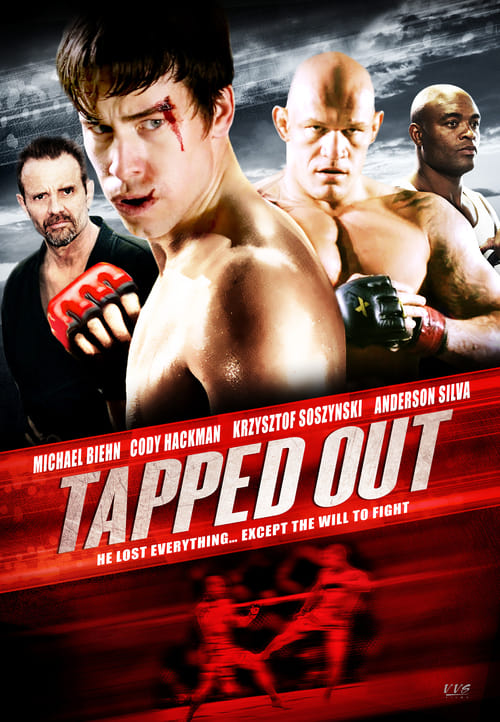
Tapped Out operates as a conventional action-drama that adheres to established genre clichés. The narrative is built around a singular, male-driven revenge arc, which limits the opportunity for multi-layered character development or diverse perspectives. The film lacks representation across most social categories, focusing instead on physical meritocracy and individual retribution. It does not attempt to challenge existing social hierarchies or cultural norms. Ultimately, the production follows a traditional cinematic framework that prioritizes masculine archetypes and Western storytelling structures over progressive narrative architecture.
Category Breakdown
The film does not include any LGBTQ+ characters or narratives that challenge the assumption that everyone is straight or cisgender. The story revolves around a traditional revenge plot within conventional social structures.
The story centers on a male protagonist driven by physical combat and personal grievance. It relies on masculine clichés of vengeance and dominance.
There is no indication of a diverse or non-Anglo-Saxon majority cast. The setting does not provide evidence of diverse identities driving the plot.
The film follows a classic Western revenge structure centered on individualist heroism. It celebrates traditional discipline through a martial arts tournament framework.
The film contains no mention of characters with visible or invisible disabilities.
Present on Screen
Limited or Absent
Official Synopsis
A disgruntled teenager, sent to do community service at a rundown Karate school, enters an MMA tournament to face the man who killed his parents.
1993

2020
2012
2021

2016
2016
2021
2008
No reviews yet. Be the first to share your thoughts on this movie!
Use the rating form above to leave a star rating and optional review.