
Do You Like My Basement?
2014
No user ratings available yet
Representation score: 1.4 out of 10
Representation Score
Good
2020
Director
Gillian Wallace Horvat
Runtime
85 minutes
Average Rating
No ratings yetNew Showbiz Analysis
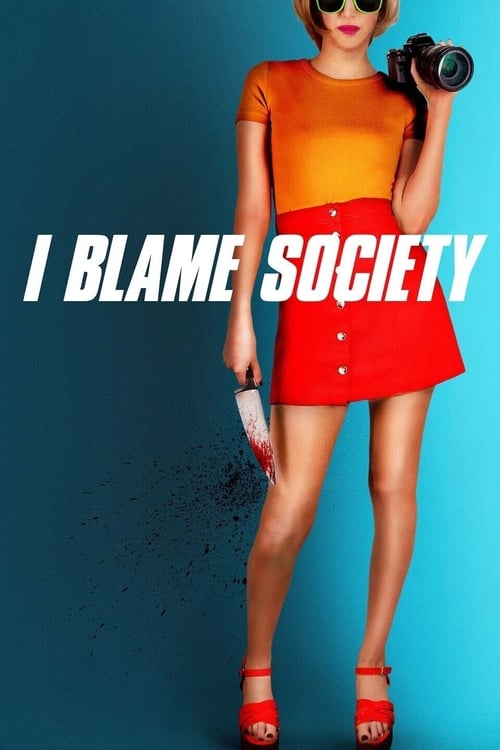
I Blame Society functions as a character-driven study that uses the thriller genre to examine the tension between the individual and society. The narrative structure suggests a move away from traditional moralizing, focusing instead on how societal pressures can lead to radical, anti-social behavior. The film excels in its thematic critique of social institutions and its subversion of gendered expectations through a decisive female lead. It shifts focus from individual morality to explore systemic issues. However, the film lacks concrete evidence regarding racial and ethnic diversity, neurodivergence, physical disabilities, and LGBTQ+ identities. While the genre allows for these explorations, the current character details do not confirm their presence.
Category Breakdown
The film provides potential for exploring non-traditional identities through its genre-bending approach. However, there is no explicit mention of the sexual orientation or gender identity of the characters.
The story focuses on a female protagonist who takes a leading, active role. She pursues a 'perfect murder' and subverts traditional feminine stereotypes while challenging conventional morality.
Details about the racial makeup of the cast are not confirmed. The film's focus on systemic critique may involve racial dynamics, but the current information does not specify this.
The narrative explores anti-establishment themes and the deconstruction of meritocracy. It portrays criminal acts as reactions to oppressive social structures and systemic pressures.
There is no explicit mention of neurodivergence, physical disabilities, or mental health conditions. The film does not provide clear representation of characters with disabilities taking active roles.
Present on Screen
Limited or Absent
Official Synopsis
A struggling filmmaker senses her peers are losing faith in her ability to succeed, so she decides to prove herself by finishing her last abandoned film and committing the perfect murder.
2014
2021
2019

2022
2019
2016

2006

2020
No reviews yet. Be the first to share your thoughts on this movie!
Use the rating form above to leave a star rating and optional review.