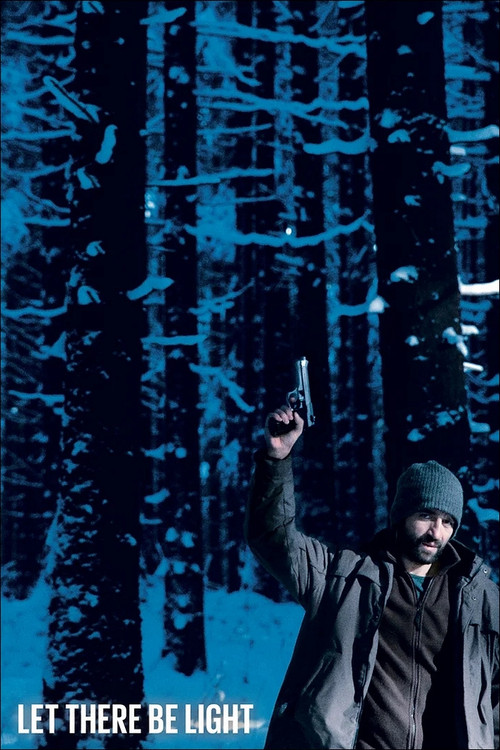
Let There Be Light
2019
No user ratings available yet
Representation score: 2.0 out of 10
Representation Score
Fair
2017
Director
Stephan Lacant
Average Rating
No ratings yetNew Showbiz Analysis
Stephan Lacant’s drama succeeds by using a dual-narrative structure to connect domestic instability with systemic political pressures. By linking a traditional family's collapse to the struggles of an immigrant, the film moves beyond simple drama into a broader social critique. The film's strength lies in its ability to use an outsider's perspective to expose the vulnerabilities of established social structures. This approach provides a sophisticated look at how radical nationalism and bureaucracy impact individual lives. However, the film lacks representation in certain areas, such as LGBTQ+ identities and disability. The narrative remains heavily focused on the intersection of ethnicity, nationalism, and traditional family roles.
Category Breakdown
The film focuses on a traditional family unit and does not depict any LGBTQ+ identities explicitly. There are no visible signs of non-straight relationships within the story.
The story centers on Karl Holzer's role as a patriarch and his struggle to maintain control over his family. Female characters like Elsa and Anyá act as catalysts that challenge this traditional masculine certainty.
The film features significant representation through Anyá, an immigrant from Kosovo. Her struggle with systemic displacement offers a nuanced look at ethnic diversity within a small German town.
The narrative critiques Western institutional stability by contrasting the idyllic life of locals with the expulsion of long-term residents. It also examines the disruptive force of radicalized nationalism.
There are no visible or mentioned depictions of physical or neurodivergent disabilities in the film's narrative.
Present on Screen
Limited or Absent
Official Synopsis
Master hairdresser Karl Holzer has his own hairdressing salon, has been happily married to his wife Elsa for many years and his beloved granddaughter Nora also contributes to his idyllic life in a small German town. However, when his son Thomas, Nora's father, is suspected of having been involved in serious crimes with a right-wing terrorist background with his recently deceased childhood friend, Karl begins to doubt his ability as head of the family. Meanwhile, 15-year-old Anyá's life is also shaken: Anya's parents' right to stay has expired after 17 years and the family is to be sent back to Kosovo. Anyá is the only member of her family to manage to escape. While trying to get in touch with her parents, the girl meets Karl Holzer, who soon has a terrible suspicion...
2019

2014
2015
2022

2018

2014
2013
2004
No reviews yet. Be the first to share your thoughts on this movie!
Use the rating form above to leave a star rating and optional review.