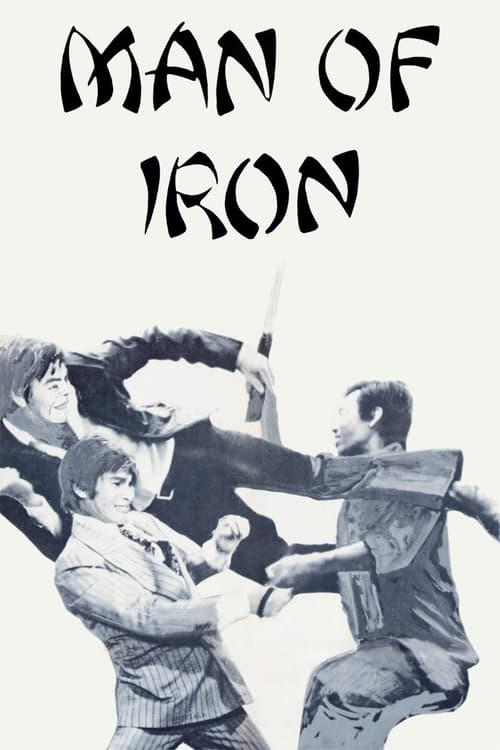
Man of Iron
1972
No user ratings available yet
Representation score: 1.9 out of 10
Representation Score
Limited
1969
Director
Chang Cheh
Runtime
105 minutes
Average Rating
No ratings yetNew Showbiz Analysis
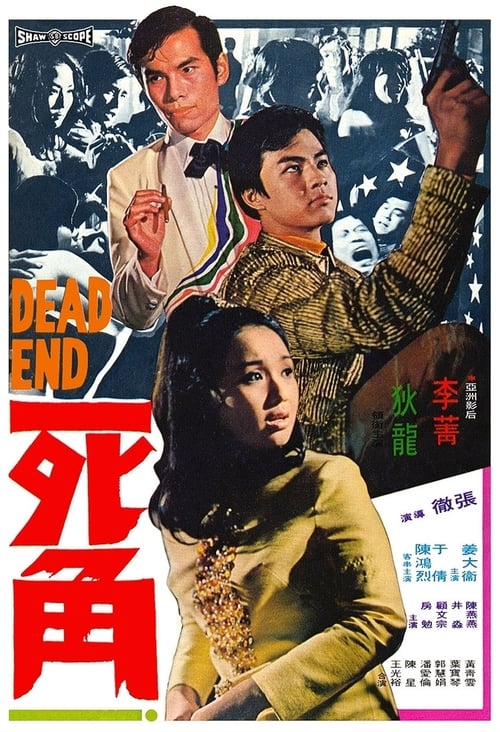
Dead End marks a pivotal shift in Shaw Brothers history, moving away from female-centric melodramas toward a hyper-masculine, violent aesthetic. The film establishes a cinematic language centered on male camaraderie and martial conflict. While the film achieves high ethnic authenticity through its consistent Chinese casting, it remains deeply traditional in its social outlook. The narrative structure relies heavily on rigid gender hierarchies and patriarchal structures. Ultimately, the work replaces the era's female-dominated genres with a framework of individualistic violence, prioritizing the 'heroic bloodshed' cliché over more inclusive representations.
Category Breakdown
The film follows traditional heterosexual norms and does not depict any non-traditional gender identities or same-sex relationships.
The story centers around male dominance and physical prowess. Female characters are mostly passive and serve as catalysts for male-driven conflicts.
The film features a culturally homogeneous Chinese cast, providing a high degree of ethnic authenticity within its historical context.
The story explores moral relativism through a code of honor, emphasizing individualistic retribution over social institutions.
There are no prominent depictions of visible or invisible disabilities, nor do such themes serve as central character arcs or plot devices.
Present on Screen
Limited or Absent
Official Synopsis
In the mid-sixties Chang Cheh changed the face of female dominated films with his male dominated, violent kung-fu films. Dead End was the start of a new force that lasted 6 years, the first film to star David Chiang and Ti Lung under director Chang's discerning eye. The trouble all begins when Chen Hung-lieh's character disapproves of Ti Lung's character courting his sister.
1972
1967
1970
1978
1971

1970
1973
1973
No reviews yet. Be the first to share your thoughts on this movie!
Use the rating form above to leave a star rating and optional review.