Dam 999
2011
No user ratings available yet
Diversity score: 4.6 out of 10
2004
Director
Vladimir Khotinenko
Runtime
117 minutes
Average Rating
No ratings yetSynopsis
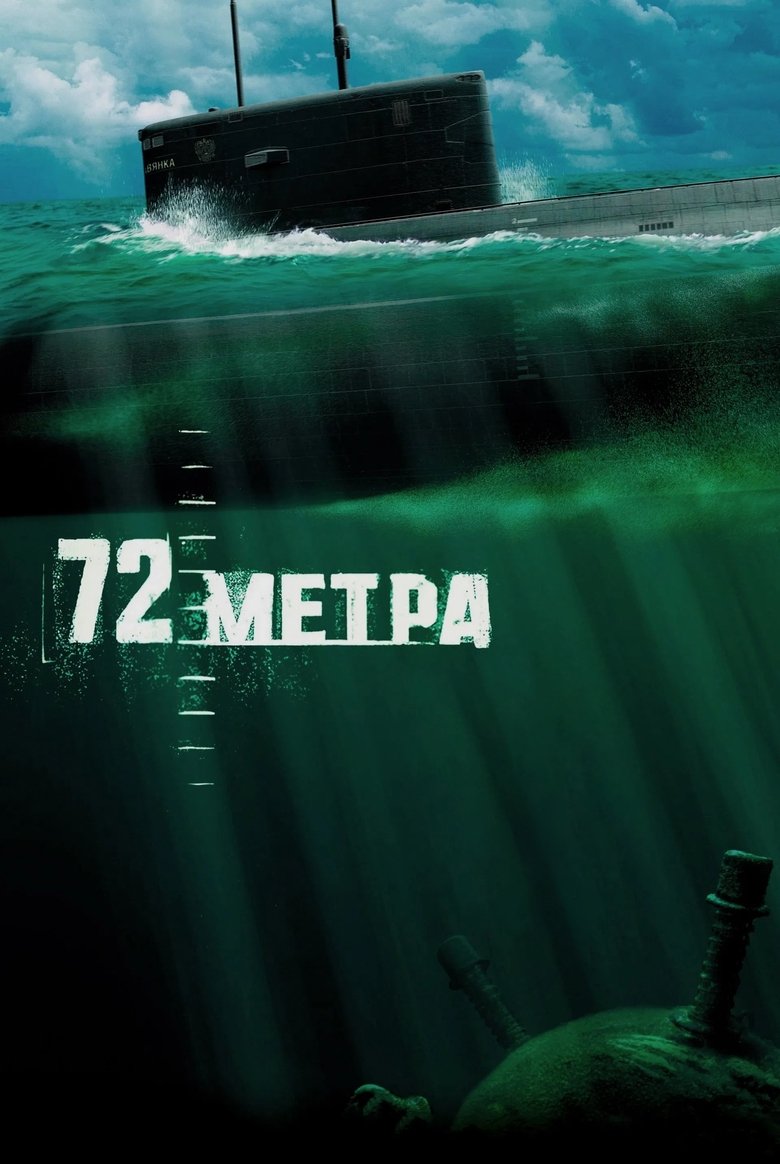
The film begins in the 1980s Soviet Union. Two best friends, Orlov and Muravyev, are serving at the Black Sea Navy Base in Sevastopol, Crimea. Both fall in love with one beautiful girl Nelly, and their friendship suffers a first blow. Because she picks Muravyev, his friend Orlov struggles with an inferiority complex and becomes a secretive alcoholic. After the collapse of the Soviet Union in 1991, both friends are transferred to the Northern Fleet on the Polar Ocean. One day their sub is performing a routine training. A disturbed WWII mine slowly moves on a collision course with the sub. A mighty blast knocks down everyone inside the wrecked sub, 72 meters below the sea level. Then ensues a nerve-racking struggle for survival.
Overall Score
Limited
Category Breakdown
LGBTQ+ Representation
The story centers on a traditional romantic rivalry between two men over a single woman. There is no evidence of queer subtext or non-cisnormative identities.
Gender Representation
The film operates within a masculine military framework. The female lead serves as a romantic catalyst rather than an independent agent with her own narrative drive.
Racial & Ethnic Diversity
The cast and setting are ethnically homogeneous, reflecting the demographic reality of the Soviet military. This historical accuracy does not provide contemporary racial diversity.
Religious & Cultural Diversity
The narrative explores the transition from Soviet collectivism to post-Soviet uncertainty. It focuses on individual trauma during the collapse of massive state institutions.
Disability Representation
Alcoholism is presented as a personal tragedy and psychological impairment. The film lacks a nuanced exploration of disability agency or neurodivergence.
Strengths
Areas for Improvement
AI Analysis
72 Meters is a period-specific drama that prioritizes historical realism and traditional masculine archetypes. The narrative focuses on the psychological fallout of systemic collapse rather than subverting social hierarchies. The film's structure relies on conventional romantic conflicts and military camaraderie. While it captures the existential struggle of individuals within a decaying system, it lacks intentional representation of diverse identities. Ultimately, the film serves as a character study of men navigating geopolitical shifts, offering little in the way of intersectional or progressive social perspectives.
No reviews yet. Be the first to share your thoughts on this movie!
Use the rating form above to leave a star rating and optional review.