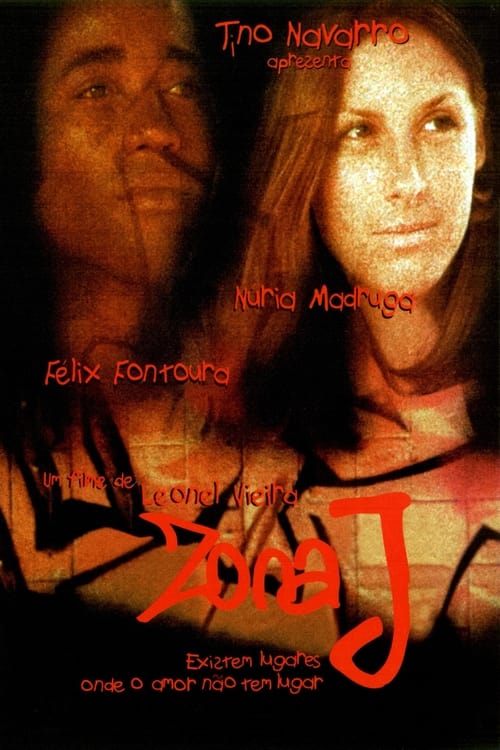
Zona J
1998
No user ratings available yet
Representation score: 5.5 out of 10
Representation Score
Fair
1999
Director
Carlos Diegues
Runtime
110 minutes
Average Rating
No ratings yetNew Showbiz Analysis
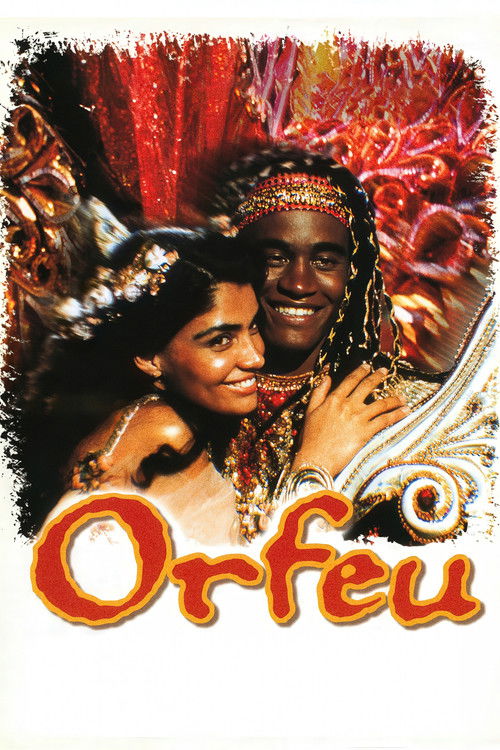
Orfeu is a post-colonial retelling of Greek mythology, set in the vibrant reality of a Rio de Janeiro favela. Its greatest strength lies in elevating Afro-Brazilian identities to mythic status. However, the film remains tied to traditional romantic and gendered structures, limiting its impact on LGBTQ+ visibility and women's ability to drive the story. Ultimately, it effectively challenges traditional social hierarchies and celebrates Afro-Brazilian heritage.
Category Breakdown
The film focuses on a traditional romantic tragedy between Orfeu and Eurydice, with no explicit queer storylines or depictions of same-sex intimacy.
Eurydice plays a central role, but her influence is limited by the mythic structure. She primarily serves as a catalyst for the male lead's grief within a traditional tragic framework.
The production features a predominantly Black and mixed-race cast, reclaiming Western myth by focusing on Afro-Brazilian musical traditions and cultural heritage.
The narrative highlights Afro-Brazilian religious syncretism and communal music. It critiques systemic inequality by showing the tension between the favela and broader society.
There are no prominent depictions of physical or neurodivergent disabilities that serve as central narrative drivers.
Present on Screen
Limited or Absent
Official Synopsis
Orfeu is a popular composer from a samba school. He lives in the favela and falls madly in love when he meets Euridice, a newcomer to the neighborhood. But the local drug boss Lucinho stands between them and will drastically change both their lives.
1998

2008
1986
2013
1984
1972
2000
1957
No reviews yet. Be the first to share your thoughts on this movie!
Use the rating form above to leave a star rating and optional review.