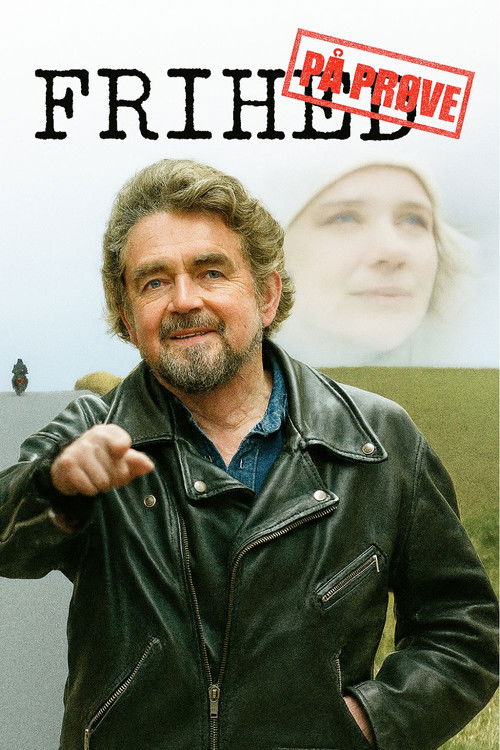
Freedom on Parole
2010
No user ratings available yet
Representation score: 4.3 out of 10
Representation Score
Fair
2007
Director
Erik Clausen
Runtime
90 minutes
Average Rating
No ratings yetNew Showbiz Analysis
Temporary Release is a character-driven drama that emphasizes social realism and class dynamics over issues related to diverse identities. The film highlights the struggles of the working class and the conflict between individuals and systemic structures. While it lacks broad demographic diversity, it provides a nuanced look at how institutional systems affect people's lives. The narrative is firmly grounded in a specific Danish social context.
Category Breakdown
The film does not include any explicit LGBTQ+ characters or stories that challenge the idea that everyone is straight or cisgender. The main plot revolves around a traditional family reunion between a father and his son.
The story is primarily driven by male characters, focusing on a father and his son. There are no female characters who play a significant role in driving the plot or challenging traditional gender roles.
The film is set in a homogeneous Danish community with no significant racial or ethnic diversity among the characters or settings.
The film explores themes of socioeconomic struggle and the tension between individuals and the legal system. It presents life through the lens of social realism, focusing on the everyday experiences of working-class people.
There is no depiction of physical, neurological, or mental health disabilities in the film.
Present on Screen
Limited or Absent
Official Synopsis
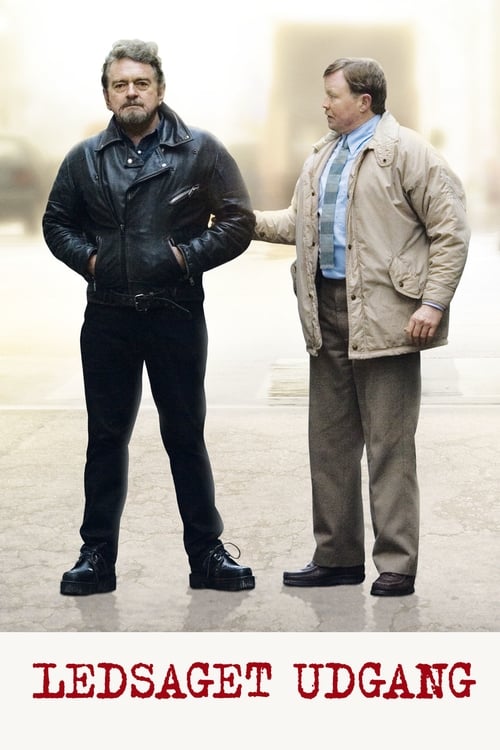
John (played by Erik Clausen) is in prison for petty crime. His son is getting married and he has been granted accompanied leave to attend. The provincial Bo (played by Jesper Asholt) accompanies him.
2010
2010
2007

2013

2009
2018

1999

2000
No reviews yet. Be the first to share your thoughts on this movie!
Use the rating form above to leave a star rating and optional review.