
Yakuza Princess
2021
No user ratings available yet
Representation score: 5.9 out of 10
Representation Score
Fair
2009
PG-13Director
Babar Ahmed
Runtime
90 minutes
Average Rating
No ratings yetNew Showbiz Analysis
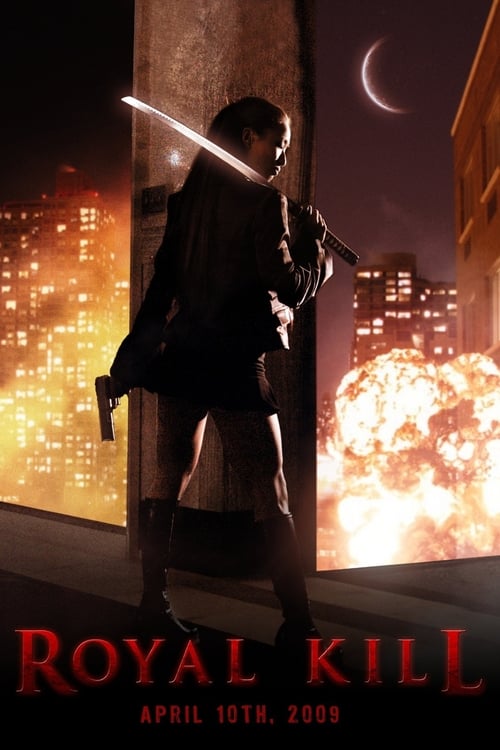
Royal Kill offers a moderate departure from typical Western storytelling by incorporating the international lineage of Samarza into an American context. This creates a more multicultural narrative framework. However, the film's depth is limited by traditional character dynamics. The female protagonist is central but primarily functions as a figure to be protected, which may limit her perceived influence. While the film avoids common Western clichés, it lacks specific evidence regarding LGBTQ+ representation or disability inclusion, leaving the narrative's multi-layered depth unverified.
Category Breakdown
The film does not explicitly depict non-straight or non-cisgender identities or same-sex relationships. The story focuses mainly on the high-stakes conflict between the royal heir and her pursuer.
A teenage girl is the central figure of political importance. However, she seems to be more of a recipient of protection rather than a primary driver of her own actions.
The story breaks away from Western-centric clichés by focusing on the lineage of the Kingdom of Samarza. This framework combines international heritage with an American setting, moving beyond homogeneous storytelling.
The film introduces a non-Western political entity into an American context. This setup hints at exploring the tension between different cultural systems and displaced heritage.
There are no mentions of characters dealing with physical, neurodivergent, or sensory disabilities in the narrative.
Present on Screen
Limited or Absent
Official Synopsis
A fearsome warrior from the Kingdom of Samarza arrives in America to assassinate a high school girl. The girl does not know it, but she is the last living heir to the Kingdom. A noble guard arrives in America to protect the young princess.
2021
2003

2017
2010

2017

2010
2005
2019
No reviews yet. Be the first to share your thoughts on this movie!
Use the rating form above to leave a star rating and optional review.