Out to Sea
1997
No user ratings available yet
Representation score: 5.2 out of 10
Representation Score
Fair
1976
TV-GDirector
Richard Kinon, Alan Myerson
Runtime
120 minutes
Average Rating
No ratings yetNew Showbiz Analysis
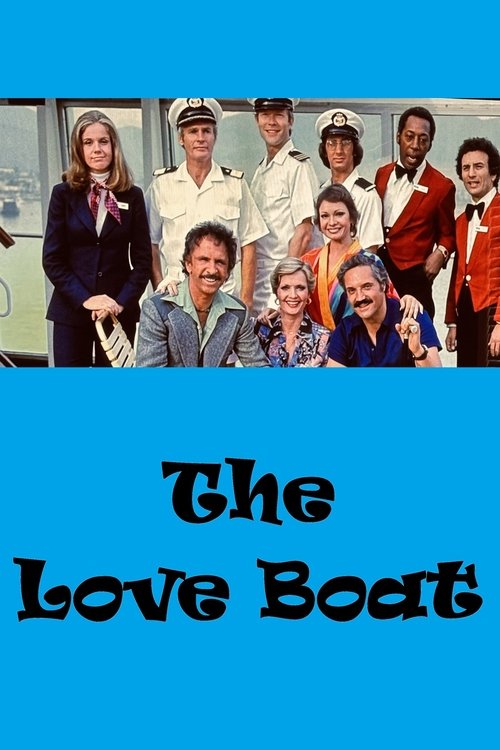
The Love Boat operates as a classic 1970s romantic anthology, prioritizing comfort and familiarity over demographic variety. The narrative structure relies on four distinct heterosexual couples navigating minor interpersonal conflicts aboard a luxury liner. This format naturally limits the scope for exploring diverse identities, as each segment is designed to resolve quickly and positively. The cast is uniformly white, mirroring the industry standards of the era. Gender dynamics remain traditional, with women serving as emotional anchors rather than figures of authority. The absence of LGBTQ+ characters, people with disabilities, or non-white individuals creates a homogeneous world. While the tone is gentle and avoids overt harm, the lack of representation means the film offers little insight into experiences outside the dominant social norm. The overall diversity score of 26 reflects this narrow focus. The film succeeds in its intended genre by providing light, conflict-free entertainment. However, from a representation standpoint, it remains a snapshot of a specific, limited demographic reality. The strengths lie in its ensemble dynamics and focus on communication, but these do not compensate for the absence of broader human experience.
Category Breakdown
The film contains no LGBTQ+ characters or same-sex romance. All four storylines feature heterosexual couples resolving misunderstandings. The cast and plot strictly follow 1970s heterosexual norms.
Men and women share the spotlight as romantic leads in separate segments. Women act as emotional anchors or partners in conflict resolution. No character challenges traditional gender roles or holds authority over men.
The ensemble cast is entirely white, reflecting mid-1970s industry standards. No characters of color appear in the main romantic stories. Racial dynamics are absent from the narrative and character interactions.
The film portrays marriage and family as stable, positive institutions. Wealth is implied by the cruise setting but never critiqued. No religious, political, or economic systems are questioned or mocked.
No characters with physical, mental, or sensory disabilities appear in the film. Disability is not a plot point, theme, or background detail. The cast consists of able-bodied actors.
Present on Screen
Limited or Absent
Official Synopsis
The adventures of the passengers and crew aboard a luxury liner on a cruise from California to Mexico.
1997
1958
1982

1974

1984

1979

1973

1948
No reviews yet. Be the first to share your thoughts on this movie!
Use the rating form above to leave a star rating and optional review.