Find another title
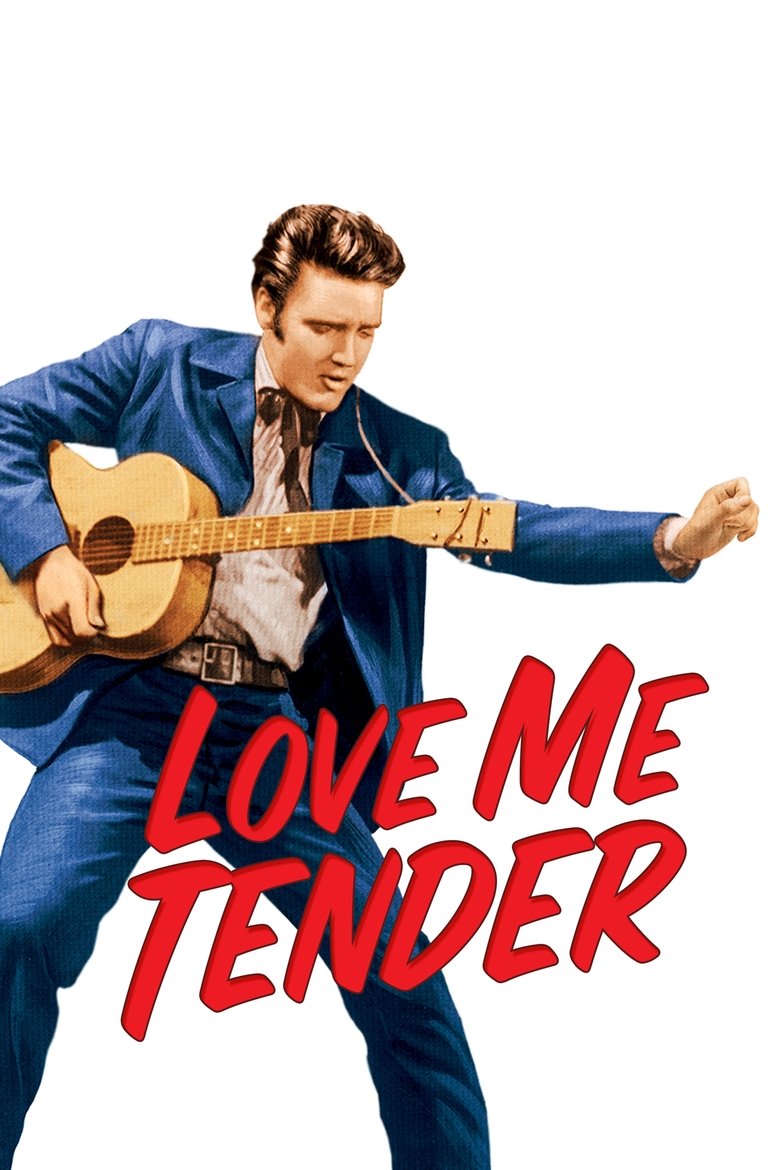
Love Me Tender
1956
NRDirector
Robert D. Webb
Runtime
89 minutes
Average Rating
No ratings yetSynopsis
After the Civil War, Confederate soldiers Clint and Vance Reno steal a Union payroll, leading to conflict when the younger marries the woman his older brother loves.
Where to Watch
Diversity & Representation
Overall Score
Limited
Category Breakdown
LGBTQ+ Representation
The film operates within a strictly heteronormative framework. The narrative is built entirely around conventional romantic courtship, offering no presence of queer identities or subtext.
Gender Representation
Traditional mid-century gender tropes define the character dynamics. While Natalie Wood's character is central to the romance, her agency is largely defined through her relationship with the male lead.
Racial & Ethnic Diversity
Casting reflects the homogeneous social norms of 1950s Westerns. The film presents a largely Anglo-centric view of the frontier with a notable absence of characters of color possessing narrative agency.
Religious & Cultural Diversity
The plot emphasizes traditional Western values like frontier justice and personal redemption. It reinforces the stability of established social structures rather than offering any critique of them.
Disability Representation
There is no significant presence of characters with visible or invisible disabilities. The film does not engage with neurodivergence or physical disability in its thematic exploration.
Strengths
- Serves as a polished, high-quality example of the mid-century musical-western genre.
- Features a central romantic conflict driven by established star power.
Areas for Improvement
- Lacks meaningful representation of diverse racial, ethnic, or LGBTQ+ identities.
- Relies on traditional gender tropes that limit female agency to romantic roles.
- Fails to engage with disability or neurodivergence as part of its character development.
AI Analysis
Love Me Tender is a quintessential product of the mid-century Hollywood studio system. It prioritizes star-driven romantic arcs and musical-western genre tropes over any attempt at social critique or the disruption of traditional hierarchies. The film functions primarily as a reinforcement of the status quo. By relying on a homogeneous cast and conventional romantic dynamics, it adheres strictly to the social constraints of 1950s cinema. Ultimately, the narrative architecture is designed to uphold established cultural norms. It lacks the intentionality required to provide nuanced or intersectional representation, focusing instead on polished, traditional storytelling.
Rate this Movie
Reviews
No reviews yet. Be the first to share your thoughts on this movie!
Use the rating form above to leave a star rating and optional review.