Dragonfly
2002
No user ratings available yet
Representation score: 3.3 out of 10
Representation Score
Fair
2008
RDirector
Gilles Bourdos
Runtime
107 minutes
Average Rating
No ratings yetNew Showbiz Analysis
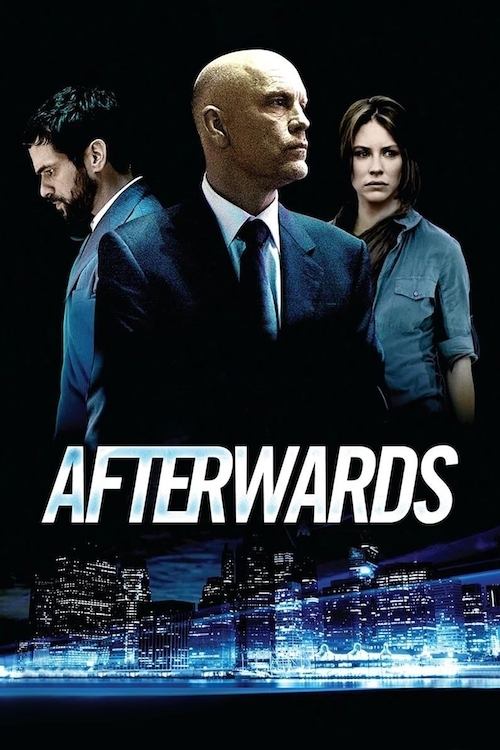
Afterwards is a sophisticated piece of cinematic craft that prioritizes aesthetic and philosophical inquiry over social representation. It excels in its postmodern approach to storytelling and its disruption of conventional temporal expectations. However, the film remains a traditionalist work regarding its demographic composition. It adheres to heterosexual romantic structures and maintains a highly localized, Eurocentric perspective that limits its engagement with broader diversity issues. Ultimately, the film serves as a study of individual existentialism rather than a vehicle for systemic critique, focusing on the internal, psychological experience of mortality.
Category Breakdown
The story focuses almost entirely on a heterosexual relationship. There are no representations of LGBTQ+ identities or narratives that challenge traditional romantic paradigms.
The narrative centers on the male protagonist's internal struggle and his pursuit of the female lead. While the female character has significant influence, the film remains focused on the male perspective.
Set in Paris with a predominantly white, European cast, the film reflects a homogeneous social environment. It functions as a study of a specific European cultural context.
The film prioritizes individual perception and the ephemeral nature of truth over institutionalized morality. It lacks explicit critiques of Western institutions or broader societal power structures.
Themes of psychological fragility and death premonitions function as metaphysical plot devices rather than nuanced portrayals of lived disability. Characters have little control over physical or neurodivergent conditions.
Present on Screen
Limited or Absent
Official Synopsis
Newly divorced lawyer Nathan Del Amico is shaken up after he meets a doctor who claims that he can sense when select people are about to die. Though he doesn't believe the doctor, events in Nathan's life slowly make him think he's not long for this world.
2002
2001

2007
2005
2007
2008
2011
2009
No reviews yet. Be the first to share your thoughts on this movie!
Use the rating form above to leave a star rating and optional review.