
Lieberman in Love
1995
No user ratings available yet
Representation score: 3.8 out of 10

Representation Score
Fair
2005
TV-PGDirector
Brian Percival
Runtime
90 minutes
Average Rating
No ratings yetNew Showbiz Analysis
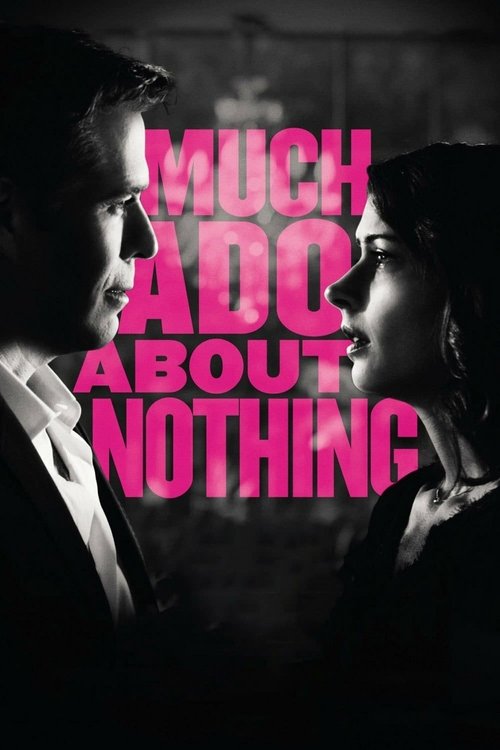
This adaptation successfully modernizes Shakespeare by relocating the drama to a contemporary television studio. This setting offers a more diverse and inclusive atmosphere compared to period pieces. The production's main strength lies in its subversion of traditional gender hierarchies, placing a competent and influential female anchor at the center. This move replaces rigid Elizabethan social structures with modern, secular dynamics. However, the narrative remains focused on traditional heterosexual relationships, limiting broader queer representation.
Category Breakdown
The story centers around heterosexual romantic tensions between a male and female lead. There is no explicit depiction of queer individuals or non-binary identities.
A strong female anchor challenges traditional gender roles by placing a woman in a position of professional authority. Her competence and interpersonal influence subvert submissive femininity.
The urban TV studio setting allows for a more diverse cast compared to Elizabethan period dramas. Actors like Nina Sosanya contribute to a more inclusive ensemble.
The film deconstructs literary norms by setting the drama within a modern media institution. This shift explores contemporary professional life and secular ethics, moving away from rigid social hierarchies.
There is no evidence of physical or neurodivergent disabilities portrayed in the film. No characters are identified as having disabilities.
Present on Screen
Limited or Absent
Official Synopsis
Tensions mount in the TV studio when a take-charge anchor is reunited with a man she has a "history" with.
1995
2005

2004
2013
1985

1993

2013
2007
No reviews yet. Be the first to share your thoughts on this movie!
Use the rating form above to leave a star rating and optional review.