Backtrace
2018
No user ratings available yet
Representation score: 3.3 out of 10
Representation Score
Fair
2008
RDirector
Brad Furman
Runtime
96 minutes
Average Rating
No ratings yetNew Showbiz Analysis
The Take is a conventional genre piece that prioritizes visceral pacing and revenge-driven clichés over storytelling that reflects multiple aspects of identity. The narrative structure focuses on a male protagonist navigating a crime-driven plot, which reinforces traditional masculine archetypes rather than disrupting social hierarchies. While the East Los Angeles setting provides a backdrop for ethnic diversity, the film lacks specific evidence of systemic inclusion or characters of color taking a leading role. The focus remains on individual consequences and traditional Western crime drama structures. Ultimately, the film aligns with the mainstream cinematic expectations of its era, offering a standard approach to storytelling that avoids going beyond familiar patterns or exploring diverse identities.
Category Breakdown
The film lacks queer visibility and does not feature narratives that challenge the assumption that everyone is straight. It follows a conventional, masculine-centric plot typical of the 2008 action-thriller genre.
The story centers on traditional masculine archetypes of resilience and physical struggle. There is no indication of challenging gender hierarchies or portraying masculinity in non-traditional ways.
The East Los Angeles setting suggests a narrative environment where non-Anglo-Saxon identities are central. However, there is no specific evidence of characters of color playing a significant role in driving the story.
The plot operates within a standard moral framework focused on individual consequences and retribution. It lacks a critique of Western institutions or deconstruction of societal norms.
The protagonist's rehabilitation implies physical or psychological injury, but it is unclear if this provides real power. There is no evidence of neurodivergent or sensory disability representation.
Present on Screen
Limited or Absent
Official Synopsis
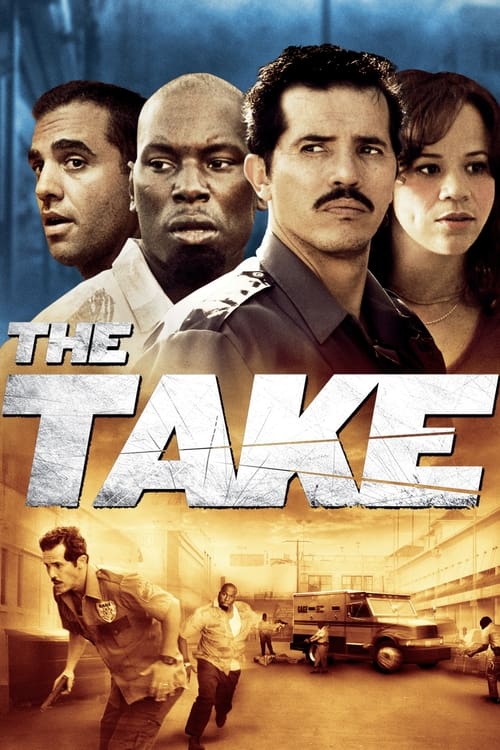
After he's shot during a heist in East L.A., an armored truck driver wrestles with rehabilitation and tracking down the man who committed the crime.
2018
2004

2010

2011
2007
1996
2008
2006
No reviews yet. Be the first to share your thoughts on this movie!
Use the rating form above to leave a star rating and optional review.