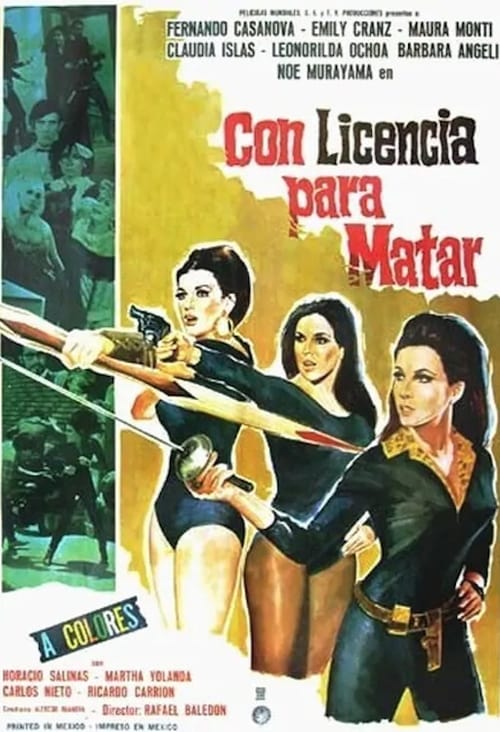
Con licencia para matar
1969
No user ratings available yet
Diversity score: 4.5 out of 10

1969
Director
Rafael Baledón
Runtime
75 minutes
Average Rating
No ratings yetSynopsis
Counter-espionage ring of beautiful young women protects atomic secrets from the bad guys.
Overall Score
Fair
Category Breakdown
LGBTQ+ Representation
The film lacks visible queer identities or same-sex intimacy. While it avoids derogatory tropes, there is no evidence of non-heteronormative representation within the narrative.
Gender Representation
The story disrupts traditional hierarchies by placing women in high-stakes roles. These protagonists drive the plot through professional competence rather than serving as passive subjects.
Racial & Ethnic Diversity
The film likely reflects the regional casting norms of 1969 Mexican cinema. There is no explicit evidence of intentional racial diversity or a non-Anglo-Saxon majority.
Religious & Cultural Diversity
The plot engages with Cold War anxieties regarding atomic technology and global security. It functions as a standard genre piece without deep systemic or anti-Western critique.
Disability Representation
There is no information available regarding the depiction of physical or neurodivergent characters in this film.
Strengths
Areas for Improvement
AI Analysis
Dangerous Dolls stands out for its subversion of gendered agency. By centering a specialized female unit tasked with protecting atomic secrets, the film moves away from the era's typical 'damsel in distress' tropes toward a model of female professional authority. However, the film remains limited by the cinematic conventions of 1969. It lacks explicit LGBTQ+ representation and provides no clear evidence of racial or ethnic diversity beyond standard regional casting norms. Ultimately, the film is a transitional genre piece. It offers a notable departure from restrictive gender roles but lacks the intersectional complexity found in more modern action cinema.
1969

1978
1976

1970
1989

1995

2021

1964
1988

1994
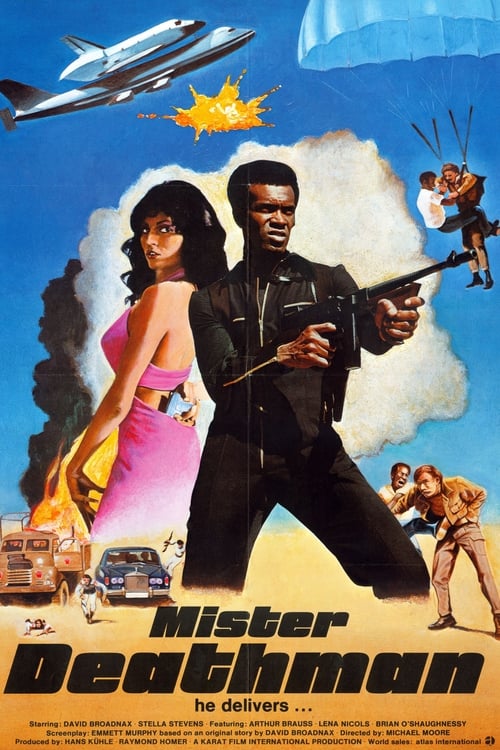
1977
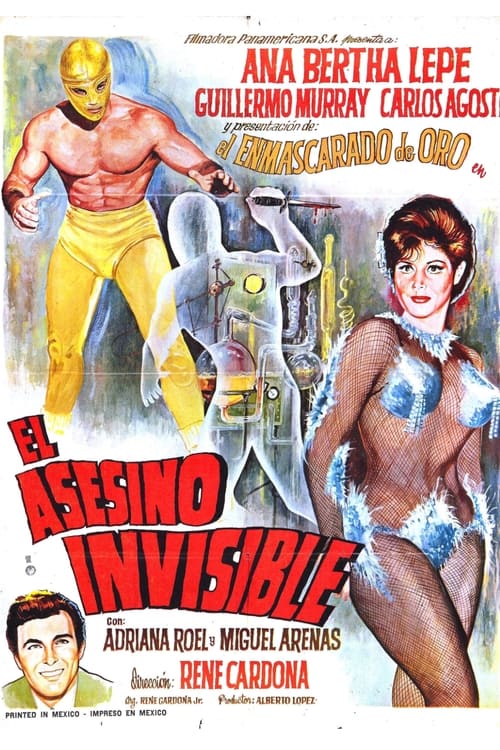
1965
No reviews yet. Be the first to share your thoughts on this movie!
Use the rating form above to leave a star rating and optional review.