
Borg vs McEnroe
2017
No user ratings available yet
Representation score: 0.4 out of 10

Representation Score
Limited
2015
TV-MADirector
Jake Szymanski
Runtime
43 minutes
Average Rating
No ratings yetNew Showbiz Analysis
7 Days in Hell uses a mockumentary format to satirize the intense rivalry between Pete Sampras and Andre Agassi. By adopting a serious documentary style, the film disrupts traditional sports broadcasting clichés through absurdity. However, the film prioritizes comedic timing and the deconstruction of sports mythology over diverse representation. The narrative structure focuses on individual eccentricities rather than challenging broader social structures. Ultimately, the film remains a genre-specific satire that reflects the demographic homogeneity of professional tennis during its era.
Category Breakdown
The film focuses solely on the heterosexual histories of the main athletes. It does not include any non-cisgender identities or critique of heterosexuality.
The story follows a traditional masculine framework centered around male competitiveness. While it pokes fun at extreme masculinity, it lacks substantial roles for female characters.
The cast reflects a homogeneous demographic typical of the late 1990s tennis circuit. The film maintains a traditional portrayal of the sport's historical demographics.
The story functions as a character study within a conventional cultural setting. It does not challenge Western institutions or promote secular viewpoints.
Physical struggles are framed strictly through the lens of athletic endurance. The film does not explore disability or neurodivergent identity through a lens of personal empowerment.
Present on Screen
Limited or Absent
Official Synopsis
A fictional documentary-style expose on the rivalry between two tennis stars who battled it out in a 1999 match that lasted seven days.
2017

2017
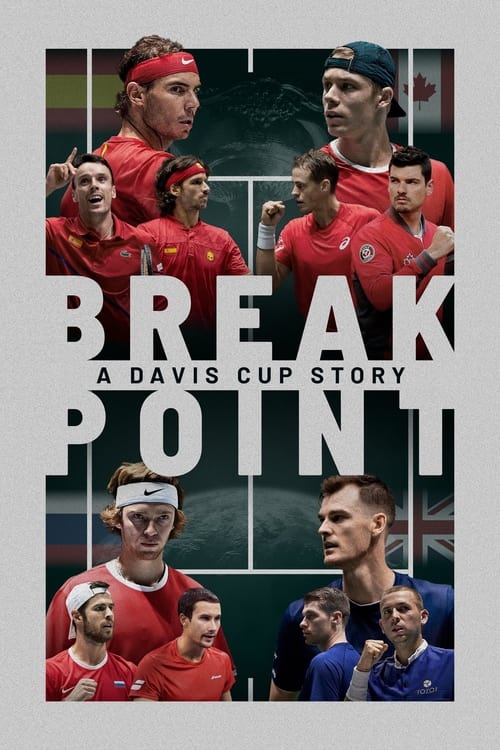
2020

2018

2022

2001

2013

2011
No reviews yet. Be the first to share your thoughts on this movie!
Use the rating form above to leave a star rating and optional review.