
Generation P
2011
No user ratings available yet
Representation score: 4.5 out of 10
Representation Score
Good
1989
Director
Ildikó Enyedi
Runtime
102 minutes
Average Rating
No ratings yetNew Showbiz Analysis
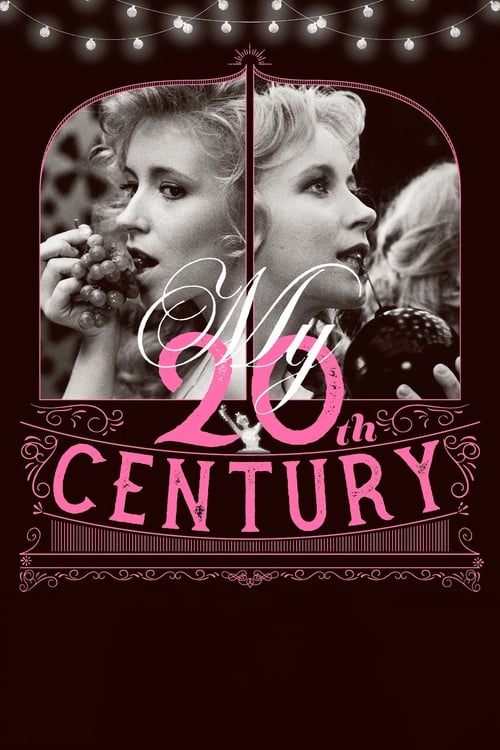
Ildikó Enyedi’s film is a striking subversion of the period drama, prioritizing female subjectivity and the sensory experience of a changing world. By centering the narrative on two sisters with vastly different ideologies, the film moves away from patriarchal structures to explore ability to act and survival. While the film excels in gender representation and cultural critique, it remains limited by its specific historical focus. The homogeneity of the cast reflects the era's Budapest but offers little in the way of racial or ethnic breadth. Similarly, the absence of explicit LGBTQ+ narratives or disability-focused arcs keeps the diversity score in a moderate range. Ultimately, the film is a lyrical study of transition. It succeeds in disrupting traditional hierarchies through its focus on the female gaze and the fluidity of memory.
Category Breakdown
The film does not explicitly center LGBTQ+ identities or same-sex romantic pairings. While it explores the nuances of desire, depictions remain within the era's social frameworks.
The narrative is profoundly centered on the female gaze, following twin sisters who drive the thematic core through intellect and survival. These women are defined by their own pursuits rather than relationships to men.
Set in Belle Époque Budapest, the cast is largely homogeneous to reflect the historical setting. There is no evidence of active whitewashing, but the film lacks diverse ethnic casting.
The film critiques traditional institutions through the sisters' divergent lives as an anarchist and a courtesan. It views traditional stability as a restrictive construct during a period of technological disruption.
The film lacks prominent character arcs centered on physical or neurodivergent disabilities. However, its emphasis on sensory experience allows for a nuanced exploration of how individuals interface with their environment.
Present on Screen
Limited or Absent
Official Synopsis
A tale of twin girls, Dóra and Lili, who are born in 1880 Budapest at the same moment Thomas Edison presents his electric lightbulb to the world. The sisters are soon orphaned and separated in childhood, and follow different paths: one grows up to be a naïvely idealistic, bomb-toting anarchist, the other a pampered, hedonistic courtesan. Their paths cross once again on the Orient Express on New Year's Eve 1899...
2011
1974

2016
2008

2015
1993

2009

2018
No reviews yet. Be the first to share your thoughts on this movie!
Use the rating form above to leave a star rating and optional review.