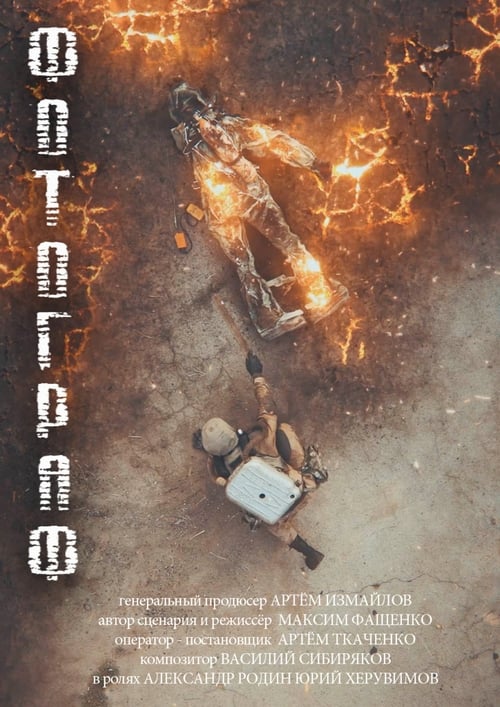
S.T.A.L.K.E.R.: Monolith's Whisper
2011
No user ratings available yet
Representation score: 2.1 out of 10
Representation Score
Limited
2018
Runtime
36 minutes
Average Rating
No ratings yetNew Showbiz Analysis
F.O.T.O.G.R.A.F. is a genre-driven short film that emphasizes existentialism and environmental catastrophe over identity-based storytelling. It operates within the established S.T.A.L.K.E.R. mythos, focusing on the tension between scientific progress and ecological impact. The film's strength lies in its intellectual complexity and its engagement with sophisticated themes of systemic instability. By drawing on rich literary and cinematic influences, it critiques institutional power and technocratic pursuits. However, the film lacks visible demographic diversity. Most identity-driven categories are unaddressed, as the narrative structure centers on a singular mission in a highly specific, localized setting.
Category Breakdown
The film does not include any LGBTQ+ characters or stories about non-assuming gender matches what was assigned at birth identities. The plot revolves around a peacekeeping mission set in a science-fiction world.
The story focuses on a single protagonist called 'The Photographer.' There is no information indicating whether this character challenges traditional gender roles or hierarchies.
Set in the Chernobyl Exclusion Zone, the narrative is centered in Eastern Europe. The specific ethnic makeup of the cast is not detailed in the premise.
The film delves into profound philosophical ideas through its connections to Tarkovsky and the Strugatsky brothers. It explores themes of subjective morality and the risks of scientific overreach.
There is no mention of characters dealing with physical, sensory, or neurodivergent conditions. The narrative does not address disability within its context.
Present on Screen
Limited or Absent
Official Synopsis
A short film based on the S.T.A.L.K.E.R. fictional universe, combining the “Picnic to the curb” of the Strugatsky brothers, “Stalker” by Andrei Tarkovsky and the “Exclusion Zone” location around the Chernobyl NPP. According to the scenario, an agent of the peacekeeping forces, nicknamed "The Photographer", arrives in the Zone to prevent a global scale catastrophe, which could be caused by an experiment that went out of control at a scientific lab.
2011

1986

2019
1985
2021
2020
2014
2010
No reviews yet. Be the first to share your thoughts on this movie!
Use the rating form above to leave a star rating and optional review.