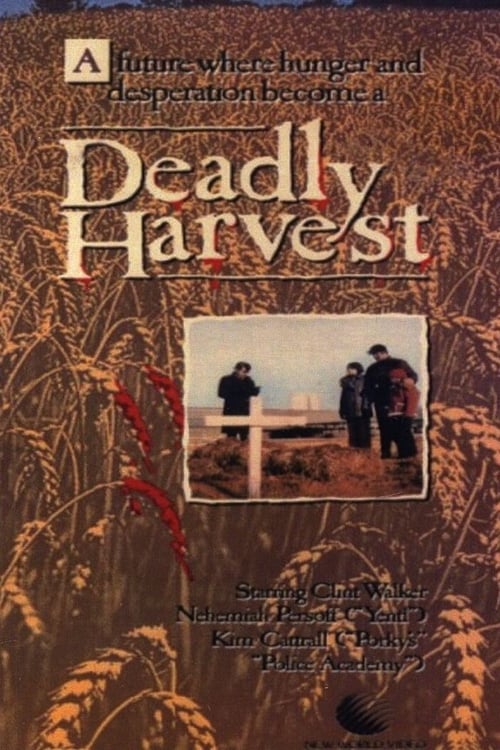
Deadly Harvest
1977
No user ratings available yet
Representation score: 2.8 out of 10
Representation Score
Minimal
1970
RDirector
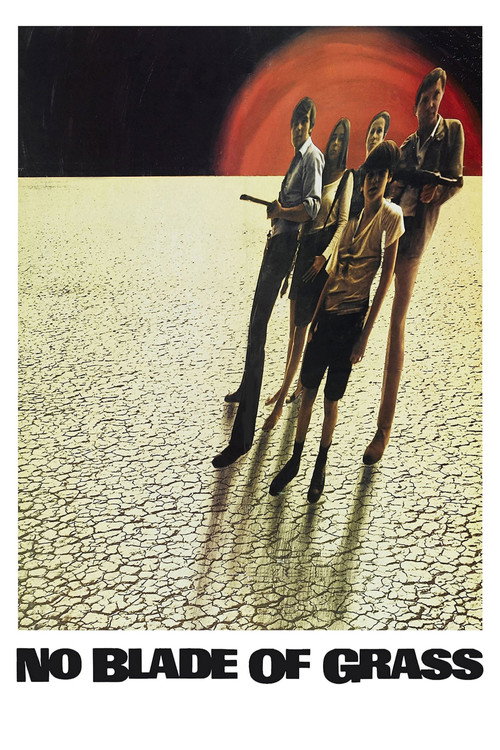
Cornel Wilde
Runtime
96 minutes
Average Rating
No ratings yetNew Showbiz Analysis
No Blade of Grass follows traditional survivalist themes, emphasizing established social hierarchies. The film adheres to mid-century cinematic conventions, focusing on survival and combat-driven by male protagonists. While it delves into the erosion of morality under environmental stress, it does so without intentionally challenging Western, gender, or racial norms. The film reinforces a Eurocentric perspective, offering limited ability to act to non-white characters or diverse identities.
Category Breakdown
The film does not explore queer identities or non-binary gender identities, operating within a framework that assumes everyone is straight and cisgender.
Male characters play a dominant role in driving the narrative, while women are mostly relegated to supporting or domestic roles, reflecting traditional gender hierarchies of the 1970s.
The film presents a binary conflict between European settlers and Indigenous populations, positioning Native Americans primarily as adversaries in a colonial context.
The narrative centers on Western religious beliefs and traditional societal structures. Moral shifts are portrayed as necessary for survival rather than systemic critiques.
There is no significant evidence regarding the portrayal of visible or invisible disabilities within the film.
Present on Screen
Limited or Absent
Official Synopsis
A strange new virus has appeared, which only attacks strains of grasses such as wheat and rice, and the world is descending into famine and chaos. Architect John, along with his family and friends, is making his way from London to his brother's farm in northern England where there will hopefully be food and safety for all of them.
1977
1962

2013
1983
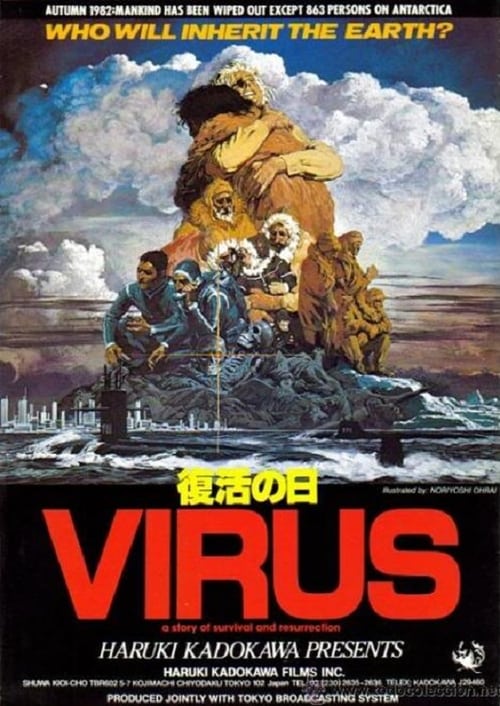
1980

1973

2015
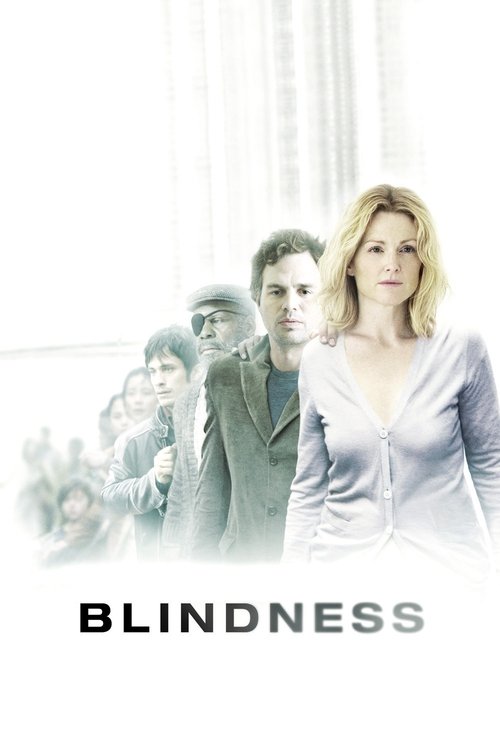
2008
No reviews yet. Be the first to share your thoughts on this movie!
Use the rating form above to leave a star rating and optional review.