
Walking Across Egypt
1999
No user ratings available yet
Diversity score: 2.7 out of 10
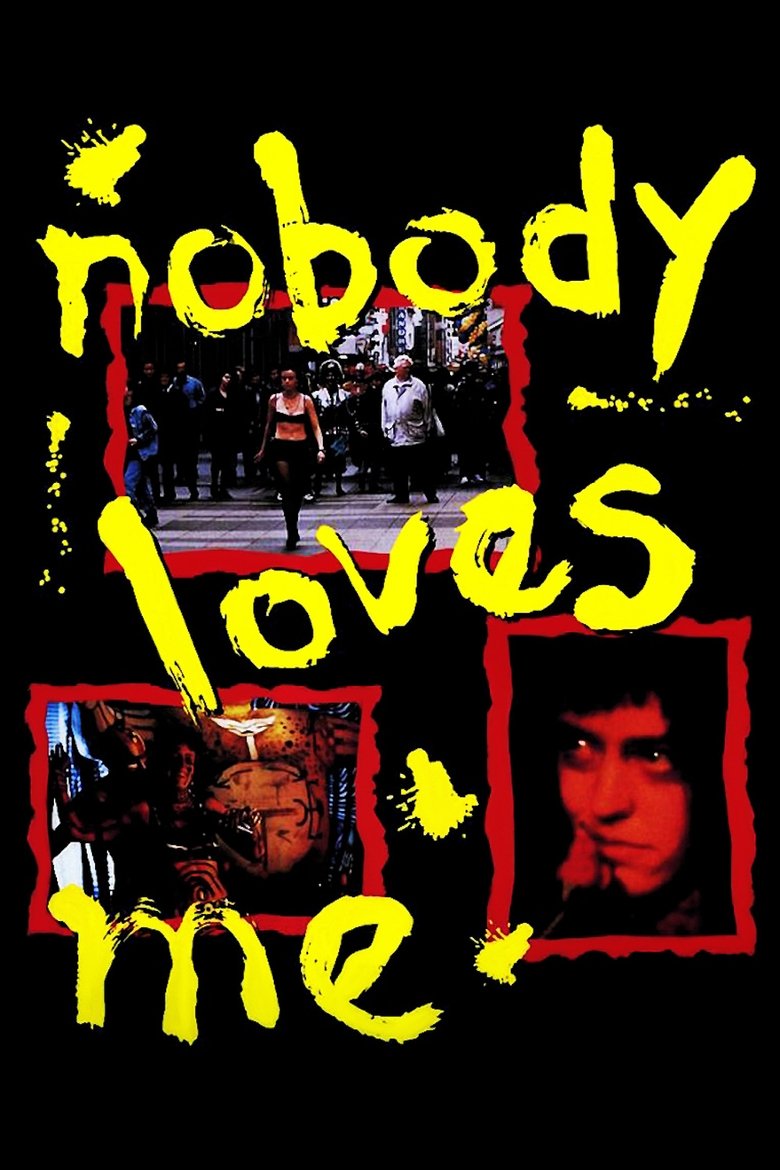
1994
Director
Doris Dörrie
Runtime
104 minutes
Average Rating
No ratings yetSynopsis
On the brink of her 30th birthday, Fanny feels the door to marital happiness closing on her. She is obsessed with death and even visits evening classes on dying, so it seems fitting that she encounters a skeleton in the malfunctioning elevator of her apartment building. The skeleton is her neighbour Orfeo, a Black, gay, self-declared psychic, who convinces her that she is about to meet "him". But is it really Lothar, the new yuppie apartment manager ...?
Overall Score
Good
Category Breakdown
LGBTQ+ Representation
Orfeo is a gay man whose identity is integrated into his role as a psychic neighbor. He serves as a catalyst for the protagonist's growth rather than a comedic trope.
Gender Representation
The film centers on Fanny's agency as she navigates a mid-life crisis. It prioritizes her internal psychological state over her utility to a male counterpart.
Racial & Ethnic Diversity
The inclusion of Orfeo, a Black character, provides intersectional depth. His presence challenges the homogeneous casting typical of mid-90s European social realism.
Religious & Cultural Diversity
The narrative favors a secular, philosophical approach to existence over religious morality. It subtly critiques middle-class social climbing and conventional success.
Disability Representation
There is no explicit evidence regarding the portrayal of physical or neurodivergent disabilities in the film.
Strengths
Areas for Improvement
AI Analysis
Doris Dörrie’s film disrupts the standard domestic drama by centering an existential crisis through a non-traditional lens. By pairing a female protagonist navigating societal pressures with an intersectional, gay Black character, the film avoids predictable romantic trajectories. The narrative architecture favors individual agency and subjective truth. It moves away from traditional Western social structures to explore the fringes of social norms and unconventional domesticity. While the film excels in character depth and intersectionality, it lacks representation regarding disability. However, its focus on psychological autonomy provides a refreshing departure from 1990s genre tropes.
No reviews yet. Be the first to share your thoughts on this movie!
Use the rating form above to leave a star rating and optional review.