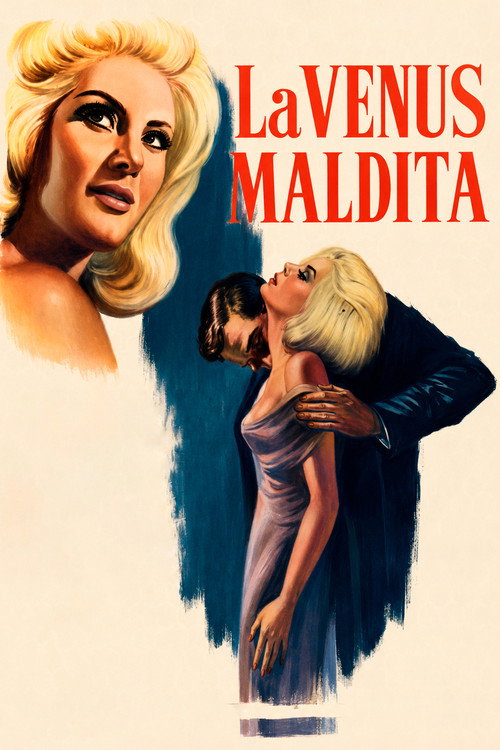
La Venus Maldita
1967
No user ratings available yet
Representation score: 6.8 out of 10
Representation Score
Limited
1953
Director
Alberto Gout
Runtime
90 minutes
Average Rating
No ratings yetNew Showbiz Analysis
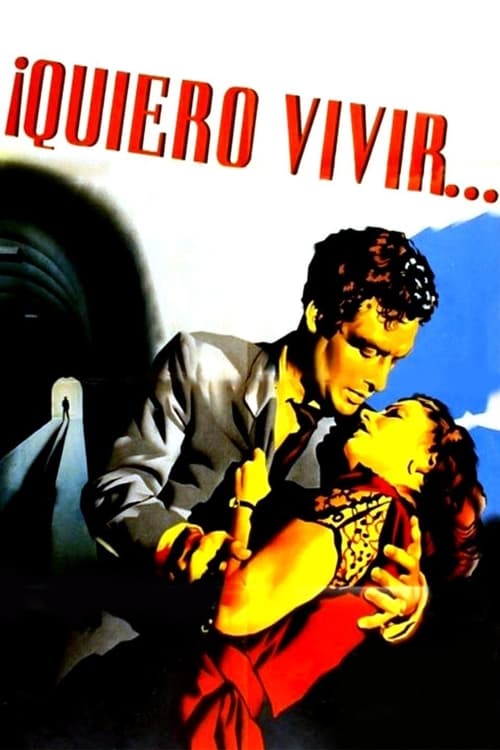
Quiero vivir is a classic example of mid-20th-century Mexican melodrama. It offers a non-Western cinematic perspective rooted in the Golden Age of Mexican film, providing a contrast to Hollywood-centric narratives. However, the film remains closely tied to the social and moral hierarchies of its time. It relies on traditional romantic and tragic devices that reinforce, rather than challenge, the era's conventions. While the director's focus on women's roles adds depth to the gendered narrative, the film lacks exploration of diverse identities and characters who reflect more than one aspect of diversity.
Category Breakdown
The film follows traditional romantic structures from the 1950s and doesn't include any non-straight relationships or queer stories.
Director Alberto Gout focuses on women's roles and complex characters. The film likely positions women as key drivers of the plot and emotional stakes.
The film provides a non-Anglo-centric view by featuring a Mexican cast. However, it reflects the relatively uniform social structures typical of the era.
The story operates within traditional 1950s moral frameworks. It emphasizes conventional social order rather than challenging Western institutions.
A character's fatal illness serves to heighten emotional impact. There is no detailed exploration of the illness beyond its tragic role.
Present on Screen
Limited or Absent
Official Synopsis
Man in the final stages of a fatal illness gets immersed in a new romance and a murder investigation.
1967
1938
1950
1960
1970

1944
1979

1953
No reviews yet. Be the first to share your thoughts on this movie!
Use the rating form above to leave a star rating and optional review.