The Lottery
1996
No user ratings available yet
Representation score: 4.2 out of 10
Representation Score
Minimal
1969
NRDirector
Larry Yust
Runtime
19 minutes
Average Rating
No ratings yetNew Showbiz Analysis
The film prioritizes a sociological critique of tradition over demographic breadth. While it fails to include diverse identities regarding race, gender, or sexual orientation, it succeeds in its cultural subversion. Its strength lies in how it uses a homogeneous setting to examine the 'banality of evil.' By presenting a strictly traditionalist community, the film effectively deconstructs the perceived morality of established social structures. Ultimately, the work functions as a study of groupthink. It sacrifices inclusive representation to better highlight the insular, destructive nature of the village's social fabric.
Category Breakdown
The film focuses on the patriarchal and reproductive structures of a mid-century rural village. There is no presence of queer subtext or non-binary identities.
A rigid patriarchal hierarchy is reinforced throughout the narrative. Male heads of households organize the ritual, leaving women and children as subjects rather than architects of the event.
The cast is entirely homogeneous, reflecting the insular nature of a secluded New England enclave. This lack of diversity illustrates the closed-loop reality of the village.
The film provides a sophisticated critique of Western institutions and traditions. It deconstructs how communal rituals and civic duties can mask systemic atrocities and violence.
There are no prominent depictions of physical or neurodivergent disabilities within the narrative context.
Present on Screen
Limited or Absent
Official Synopsis
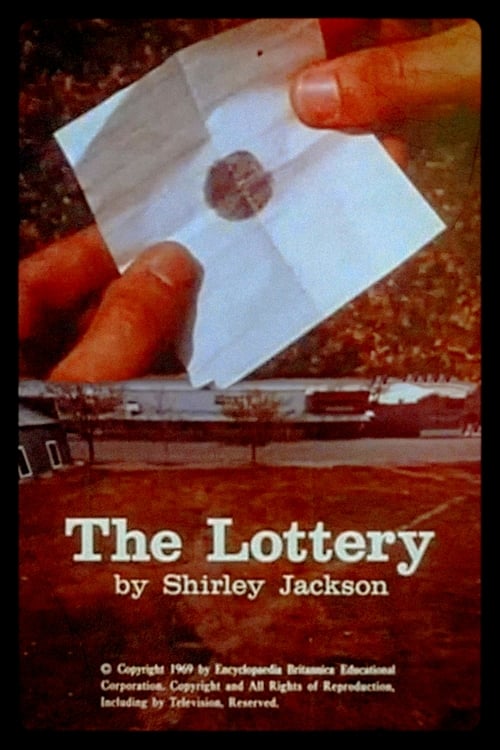
Every year, on June 27th, in a small village in New England, inhabited by no more than 300 people, a lottery is held in which a family is chosen as part of a ritual to ensure a good harvest.
1996
1972
2023
1973

1961
1984

1988

1980
No reviews yet. Be the first to share your thoughts on this movie!
Use the rating form above to leave a star rating and optional review.