It Runs in the Family
2003
No user ratings available yet
Representation score: 1.1 out of 10
Representation Score
Fair
2005
RDirector
Georgia Lee
Runtime
90 minutes
Average Rating
No ratings yetNew Showbiz Analysis
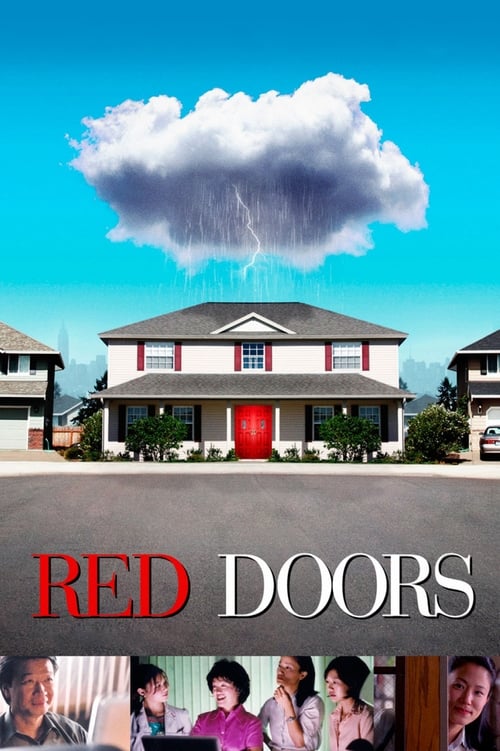
Red Doors presents a Chinese-American family in a suburban setting, challenging traditional narratives where minority families are confined to urban areas. The film delves into the intricacies of family life, avoiding idealized portrayals. However, the film's overall inclusivity is not fully explored. There is no clear indication of LGBTQ+ identities, detailed gender dynamics, or the presence of characters with disabilities.
Category Breakdown
The film does not provide clear evidence of queer identities or stories that go beyond the assumption that everyone is straight. It maintains a neutral stance on these topics.
There isn't enough detail to assess the roles of female characters or how the film challenges typical gender roles. The portrayal stays at a basic level.
By focusing on the Chinese-American Wong family in a suburban area of New York, the film breaks away from usual stereotypes that place ethnic minorities in urban settings.
The film highlights the complexities of family life rather than presenting an idealized version of family structures. It explores intricate personal relationships rather than simplified ones.
There is no information about characters with visible or invisible disabilities in the film.
Present on Screen
Limited or Absent
Official Synopsis
The Wongs struggle to cope with life, love, and family dysfunction in the suburbs of New York.
2003
1997

2024

1989

2008
1997
2023
1995
No reviews yet. Be the first to share your thoughts on this movie!
Use the rating form above to leave a star rating and optional review.