
Arbitrage
2012
No user ratings available yet
Representation score: 3.0 out of 10
Representation Score
Fair
2011
RDirector
J.C. Chandor
Runtime
107 minutes
Average Rating
No ratings yetNew Showbiz Analysis
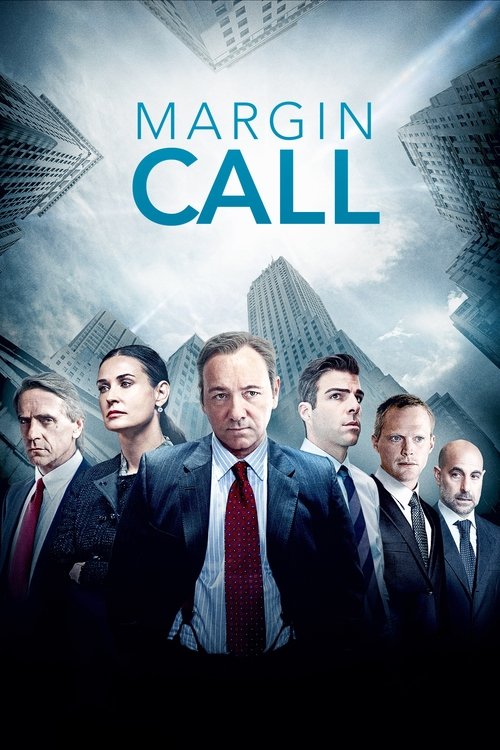
Margin Call presents a world dominated by a homogeneous demographic, reflecting the exclusionary nature of the financial elite during the 2008 crisis. The film lacks diversity in race, gender, and LGBTQ+ identities, reinforcing a traditional view of high-finance authority. However, the film excels in its thematic depth, offering a biting critique of Western economic structures and the predatory nature of unregulated capitalism. It effectively challenges the ethical frameworks of institutional power. Ultimately, the film serves as a study of systemic failure, highlighting the consequences of unregulated financial practices and the moral dilemmas they create.
Category Breakdown
The film focuses on a straight and cisgender world, with no representation of LGBTQ+ identities or same-sex relationships.
The film features a strong male hierarchy where women play supporting roles within a patriarchal structure.
The cast is mostly white, with few characters of color who have limited influence in the story.
The film critiques late-stage capitalism and questions the morality of corporate survival, highlighting the impact on global stability.
There is no depiction of visible or invisible disabilities among the characters, who are primarily defined by their professional skills and mental toughness.
Present on Screen
Limited or Absent
Official Synopsis
Set in the high-stakes world of the financial industry, involving the key players at an investment firm during one perilous 24-hour period in the early stages of the 2008 financial crisis. An entry-level analyst unlocks information that could prove to be the downfall of the firm.
2012
2011

2016
2003
2019

2012

2010
1999
No reviews yet. Be the first to share your thoughts on this movie!
Use the rating form above to leave a star rating and optional review.