The Drifting Classroom
1987
No user ratings available yet
Representation score: 5.2 out of 10
Representation Score
Fair
1987
Director
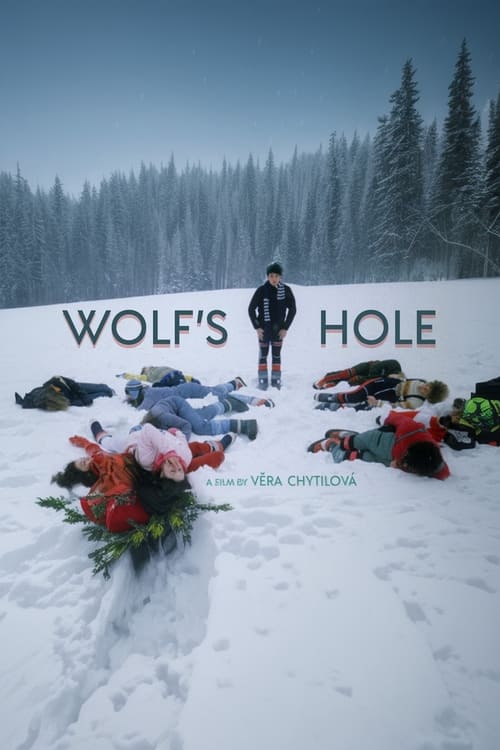
Věra Chytilová
Runtime
95 minutes
Average Rating
No ratings yetNew Showbiz Analysis
Věra Chytilová’s direction suggests a film focused on the psychological deconstruction of authority and the subversion of social order. The narrative uses an isolated winter resort to explore how systemic control erodes social cohesion among adolescents. While the film lacks demographic variety due to its regional and historical context, it excels in thematic subversion. It replaces traditional social hierarchies with primal power dynamics and psychological archetypes. The work functions more as a critique of institutional stability than a showcase of diverse identities, prioritizing the breakdown of social contracts over representative breadth.
Category Breakdown
The film explores non-traditional identities through its blend of horror and science fiction, but specific character identities and interpersonal dynamics are not clearly defined.
The narrative likely challenges traditional gender roles through survivalist archetypes. Věra Chytilová’s history indicates a critique of patriarchal structures rather than submissive femininity.
Given the 1987 Czech production and isolated setting, the film likely depicts a homogeneous demographic with little evidence of significant racial or ethnic diversity.
The film uses an isolated camp to critique systemic corruption and institutional authority, focusing on psychological survival over traditional communal or familial values.
There are no details about characters with visible or invisible disabilities in the narrative.
Present on Screen
Limited or Absent
Official Synopsis
Eleven disparate adolescents, gathered for a skiing camp at an isolated winter resort, find themselves preyed upon and set against one another by their three mysterious instructors.
1987
1962
1979
1963

1985
1976
1981
2015
No reviews yet. Be the first to share your thoughts on this movie!
Use the rating form above to leave a star rating and optional review.