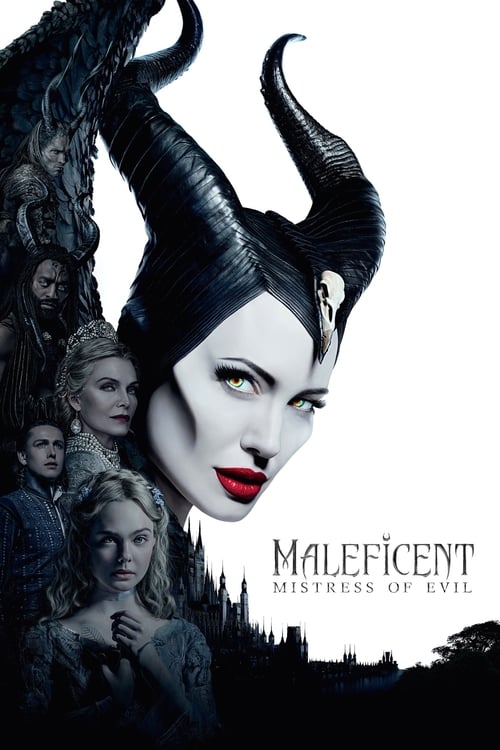
Maleficent: Mistress of Evil
2019
No user ratings available yet
Representation score: 8.1 out of 10
Representation Score
Good
2014
PGDirector
Robert Stromberg
Runtime
97 minutes
Average Rating
No ratings yetNew Showbiz Analysis
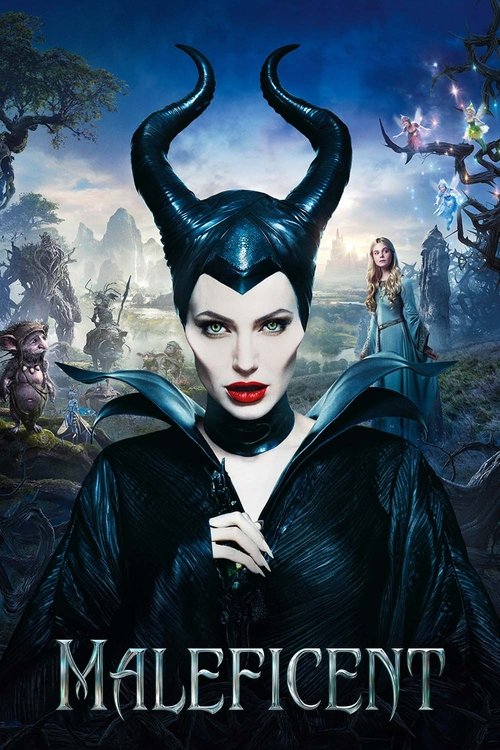
Maleficent succeeds as a progressive reimagining by shifting the perspective to a underrepresented figure. It effectively challenges traditional gender roles, placing a woman's strength and autonomy at the center of the epic conflict. The film's narrative structure offers a sophisticated critique of traditional authority and imperialistic expansion. By framing the Moors as an indigenous ecosystem against a homogeneous human kingdom, it introduces meaningful post-colonial undertones. However, the film remains limited by a lack of explicit LGBTQ+ representation and traditional Western casting in the human realm. While it explores psychological trauma, it lacks nuanced depictions of disability.
Category Breakdown
The film focuses on traditional heterosexual relationships and does not depict LGBTQ+ identities or non-binary gender expressions. It emphasizes maternal and platonic bonds.
The film disrupts conventional gender roles by replacing the damsel in distress with a powerful, complex female protagonist. It centers on female autonomy and maternal empowerment rather than male heroism.
The human characters adhere to traditional Western casting standards. However, the magical inhabitants of the Moors showcase a diverse array of ethnic aesthetics, symbolizing a pluralistic society.
The story critiques imperialistic forces by framing the human kingdom as an encroaching power. It challenges the hero/villain binary, reframing the protagonist as a victim of systemic betrayal.
There are no explicit depictions of physical or neurodivergent disabilities. The film explores psychological trauma and a hardened spirit, though these serve primarily as plot drivers.
Present on Screen
Limited or Absent
Official Synopsis
A beautiful, pure-hearted young woman, Maleficent has an idyllic life growing up in a peaceable forest kingdom, until one day when an invading army threatens the harmony of the land. She rises to be the land's fiercest protector, but she ultimately suffers a ruthless betrayal – an act that begins to turn her heart into stone. Bent on revenge, Maleficent faces an epic battle with the invading King's successor and, as a result, places a curse upon his newborn infant Aurora. As the child grows, Maleficent realizes that Aurora holds the key to peace in the kingdom – and to Maleficent's true happiness as well.
2019
1958

2013
1940
2019

1998
2023
2005
No reviews yet. Be the first to share your thoughts on this movie!
Use the rating form above to leave a star rating and optional review.