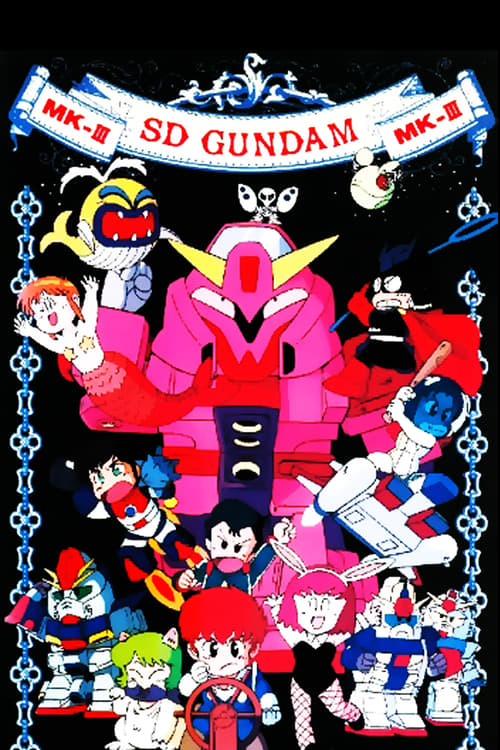
Mobile Suit SD Gundam Mk III
1990
No user ratings available yet
Representation score: 4.5 out of 10
Representation Score
Good
1989
Director
Tetsuro Amino, Shinji Takamatsu
Runtime
24 minutes
Average Rating
No ratings yetNew Showbiz Analysis
The film uses space-faring conflict to explore post-colonial themes and systemic mismanagement. While it lacks visible demographic diversity, it excels at using political metaphors to critique institutional authority and ecological decay. However, the work remains limited by the era's stylistic constraints. It provides almost no representation of LGBTQ+ identities and lacks a meaningful exploration of physical disabilities, focusing instead on evolutionary enhancements. Ultimately, the film's strength lies in its ideological depth rather than its character variety. It challenges the status quo through moral relativism and the struggle for self-determination.
Category Breakdown
The film follows conventional storylines regarding relationships and lacks explicit representations of LGBTQ+ identities or queer intimacy. It sticks to traditional romantic and adversarial storylines.
Female characters like Quess Paraya play significant roles as active combatants. The narrative separates combat capability from gender, allowing female pilots to show technical skills equal to their male counterparts.
Traditional racial markers are less important than the distinction between Earth-born and Spacenoids. The Spacenoid identity serves as a metaphor for groups seeking autonomy from a centralized power.
The story critiques traditional institutional stability through themes of environmental preservation and radical migration. The ideological clash between Amuro Ray and Char Aznable highlights complex visions for human evolution.
The film focuses on the psychological 'Newtype' phenomenon rather than physical disabilities. It emphasizes neuro-evolutionary changes and enhanced perception rather than addressing lived experiences of disability.
Present on Screen
Limited or Absent
Official Synopsis
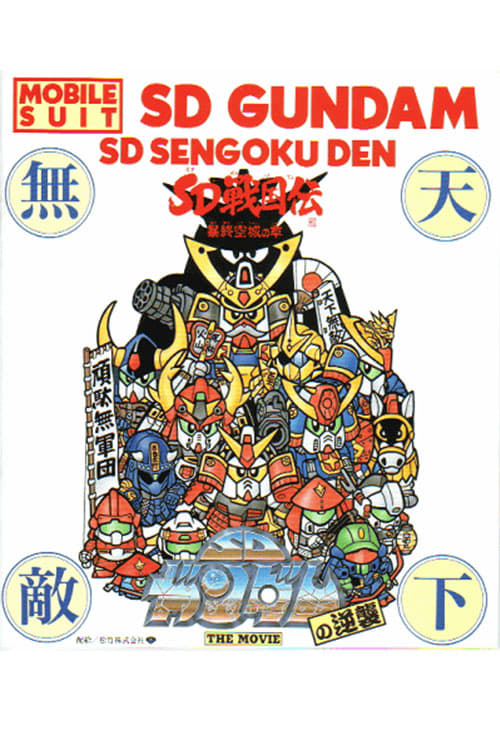
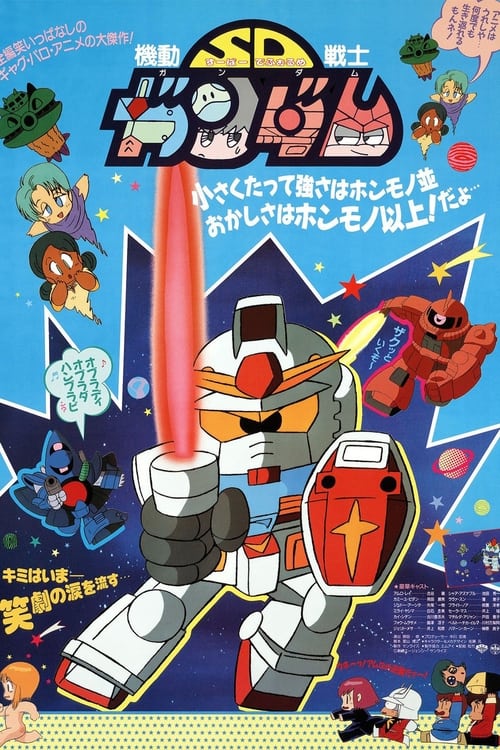
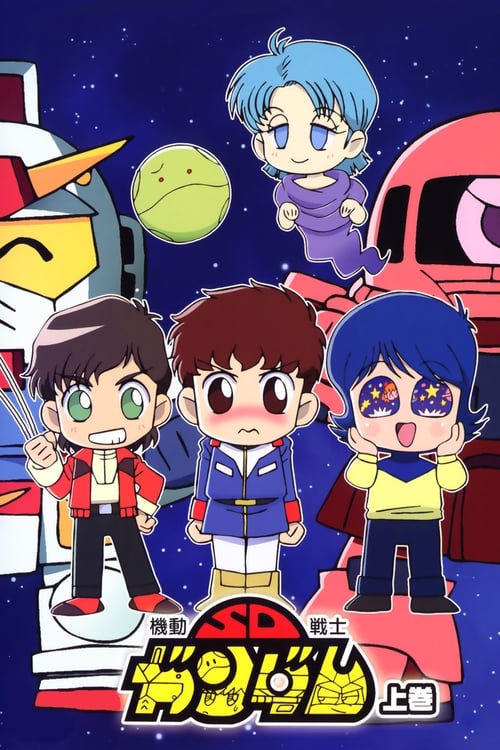
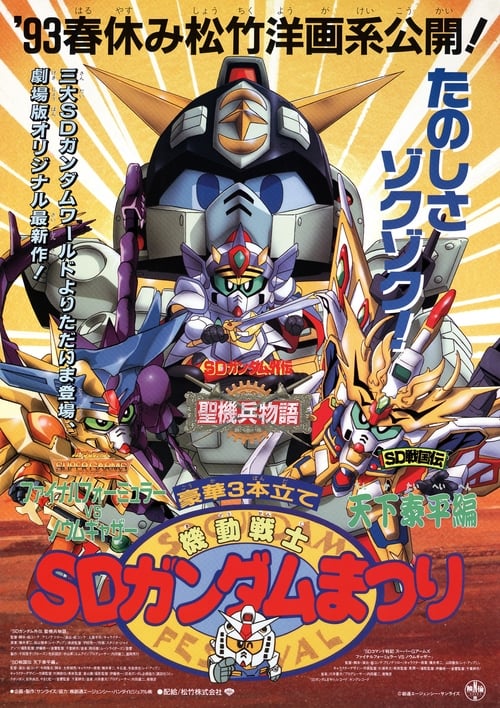
The first theatrically release of the SD Gundam series. Contains two shorts, "The Storm-Calling School Festival" and "The Tale of the SD Warring States: The Chapter of the Violent Final Sky Castle".
1990
1990
1990
1988
1988

1989
1993
2010
No reviews yet. Be the first to share your thoughts on this movie!
Use the rating form above to leave a star rating and optional review.